
- Home
- About Us
- Services
- Expert Roofing Services
- Full Exterior Remodeling
- Siding Installation & Replacement in Harris County, TX | Tekton Exteriors
- Insurance Claim Assistance
- Window & Door Installation & Replacement
- Pella® 250 Series Window Installation
- Awning Window Installation & Replacement
- Casement Window Installation Contractors
- Double Hinge Window Installation & Replacement
- Single-Hung Window Installation
- Sliding Glass & Patio Door Installation
- Sliding Window Installation & Replacement
- Picture Window Installation & Replacement
- Bifold Window Installation & Replacement
- Bay Window Installation & Replacement
- Box Window Installation & Replacement
- 1800 Series Impact Window Installation
- Energy Master Series Window Installation
- PerfeXion West Coast Series Windows
- Area We Serve
- Request Quote
- Blog
- Contact Us

- Home
- About Us
- Services
- Expert Roofing Services
- Full Exterior Remodeling
- Siding Installation & Replacement in Harris County, TX | Tekton Exteriors
- Insurance Claim Assistance
- Window & Door Installation & Replacement
- Pella® 250 Series Window Installation
- Awning Window Installation & Replacement
- Casement Window Installation Contractors
- Double Hinge Window Installation & Replacement
- Single-Hung Window Installation
- Sliding Glass & Patio Door Installation
- Sliding Window Installation & Replacement
- Picture Window Installation & Replacement
- Bifold Window Installation & Replacement
- Bay Window Installation & Replacement
- Box Window Installation & Replacement
- 1800 Series Impact Window Installation
- Energy Master Series Window Installation
- PerfeXion West Coast Series Windows
- Area We Serve
- Request Quote
- Blog
- Contact Us
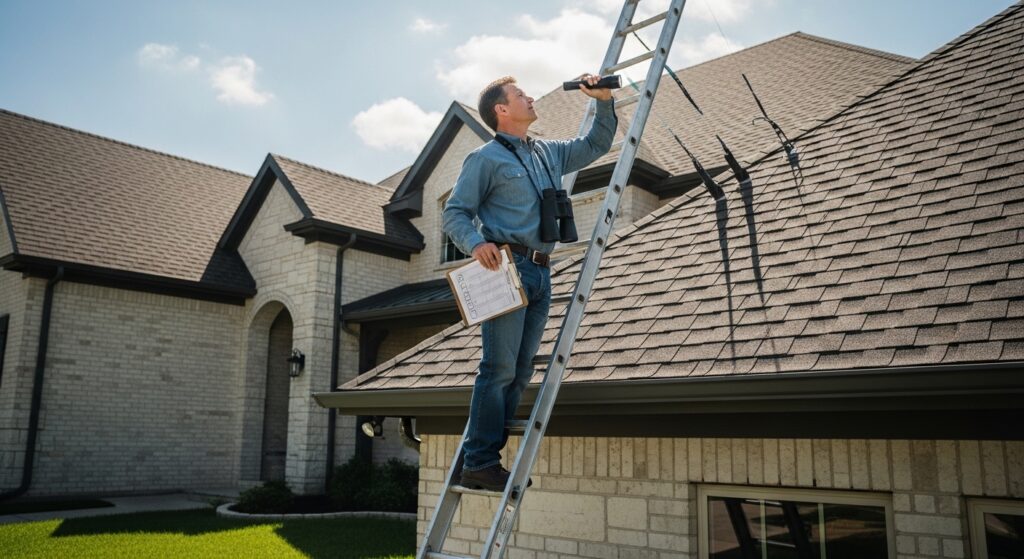

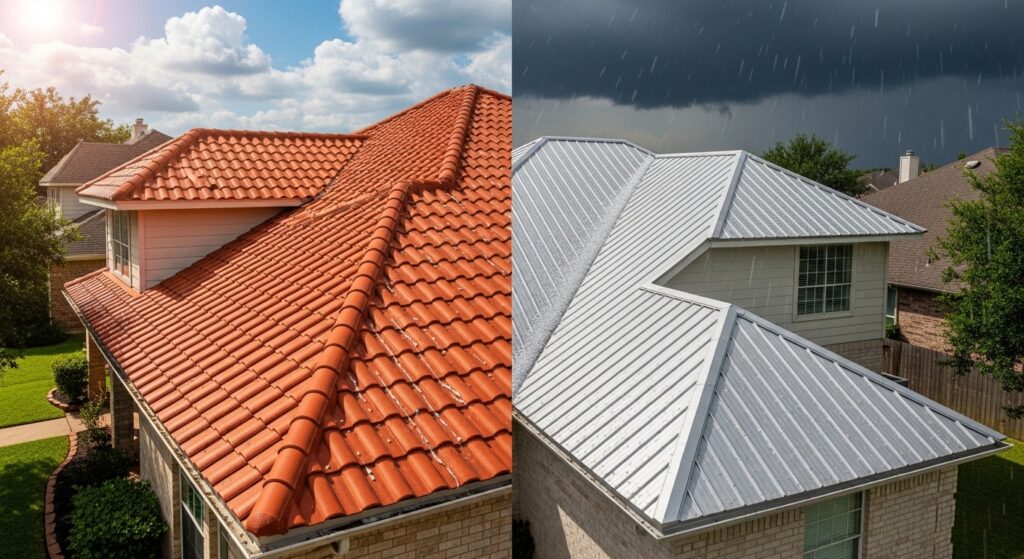
Comprehensive Guide to Storm Damage Repair
Understanding the process of storm damage repair is crucial for homeowners who have recently experienced severe weather events. This guide outlines the steps to take immediately after a storm, including assessing the damage, documenting it for insurance purposes, and contacting a professional for assistance.
Homeowners should prioritize safety and avoid climbing onto damaged roofs or structures. Instead, they can start by taking photos of the damage and making temporary repairs, such as covering leaks with tarps, to prevent further issues. Knowing what to expect from the repair process can significantly alleviate stress during this challenging time.
Choosing the Right Contractor for Storm Damage Repairs
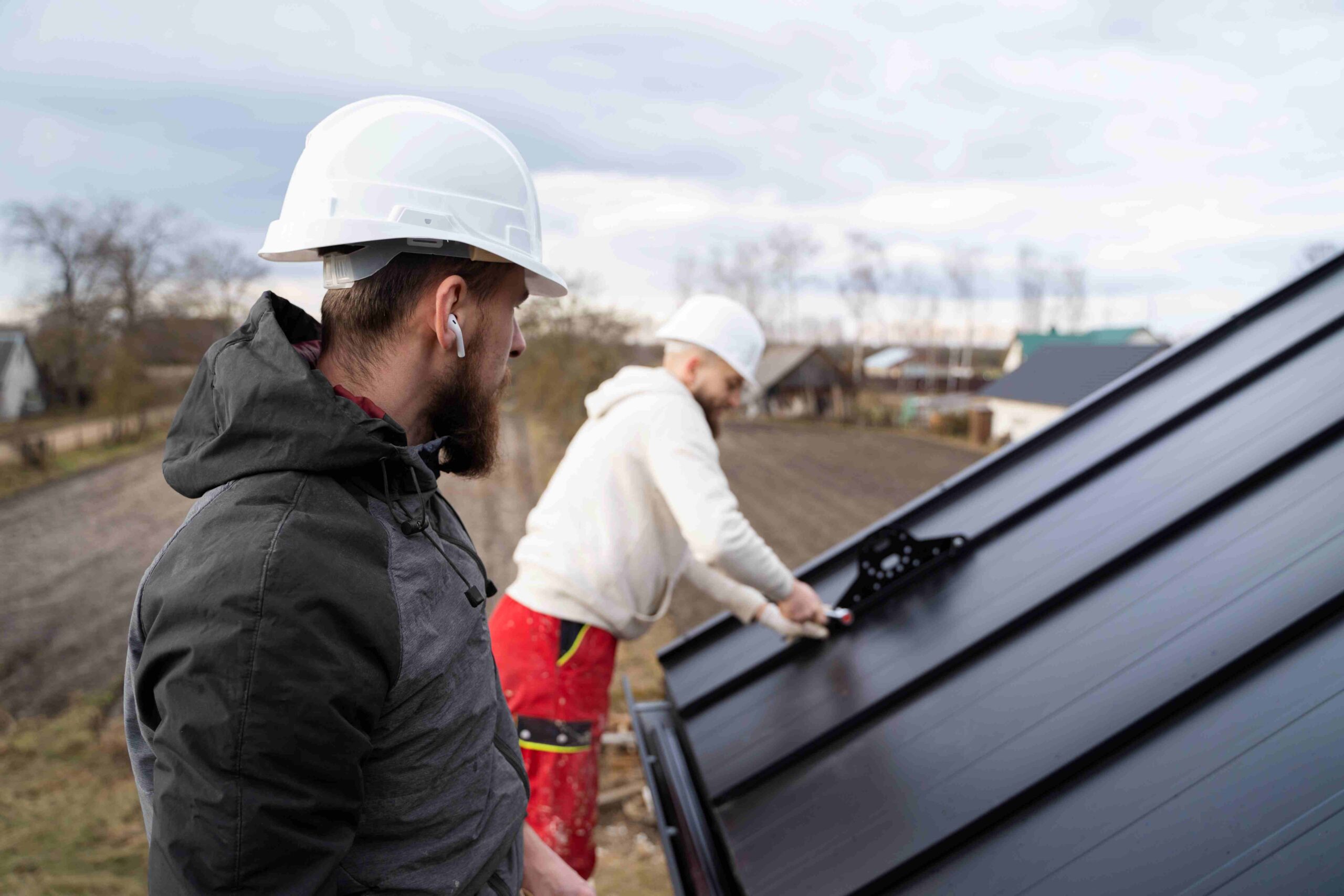
Selecting a qualified contractor is essential for effective storm damage repairs. Homeowners should look for contractors with experience in storm recovery, proper licensing, and positive customer reviews to ensure quality work.
It's advisable to obtain multiple quotes and check references before making a decision. A reputable contractor will provide a clear outline of the repair process, timelines, and costs, helping homeowners feel more secure in their choice.
Common Storm Damage Issues and Their Solutions
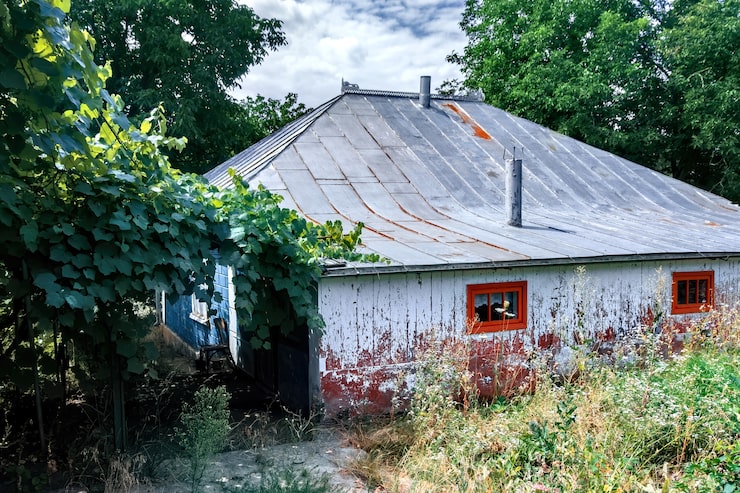
Storm damage can manifest in various ways, including roof leaks, broken windows, and siding damage. Understanding these common issues helps homeowners recognize what to look for after a storm and how to address them effectively.
For instance, roof leaks may require immediate attention to prevent water damage inside the home, while broken windows can be boarded up temporarily until they can be replaced. Knowledge of these issues allows homeowners to act quickly and minimize further damage.
Insurance Claims for Storm Damage: What You Need to Know
Navigating insurance claims after storm damage can be overwhelming, but knowing the process can help homeowners secure the funds needed for repairs. It's important to understand the specifics of the homeowner's insurance policy and what types of damage are covered.
Homeowners should document all damage thoroughly, keep receipts for temporary repairs, and communicate clearly with their insurance adjuster. Being proactive and organized can streamline the claims process and ensure that homeowners receive the compensation they deserve for their repairs.