Living in Houston means dealing with a climate that is as demanding as it is diverse. We have scorching summers where temperatures regularly top 100 degrees, crushing humidity, torrential downpours, and the ever-present threat of hurricane-force winds. A roof here has to do more than just shed water; it has to be a heat shield and a wind breaker.
Choosing the right material for your home isn’t just about aesthetics—it is about survival and energy efficiency. If you are planning a new roof installation in Houston, TX, here is your guide to the materials that actually stand up to our weather.
What Makes Houston’s Climate Unique for Roofing
Houston’s climate presents several challenges for roofing systems throughout the year.
Summer temperatures regularly reach 95–100°F, causing roofing materials to expand,
contract, and wear down faster over time. In addition to heat, Houston receives over
50 inches of annual rainfall, increasing the risk of water intrusion, leaks, and
long-term structural damage if roofs are not properly installed and maintained.
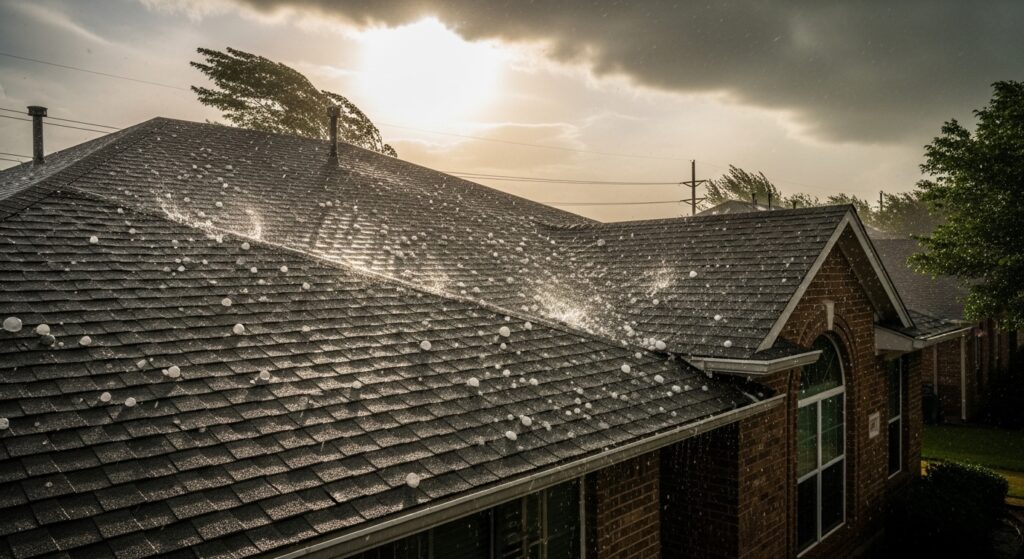
The region also experiences hurricane season and frequent hailstorms, which can cause
sudden and severe damage to shingles, flashing, and roof structures. High humidity
levels create ideal conditions for algae, mold, and mildew growth, especially on
shaded or poorly ventilated roofs. These factors make it essential for homeowners to
choose durable, weather-resistant roofing materials specifically designed to handle
Houston’s extreme and unpredictable conditions.
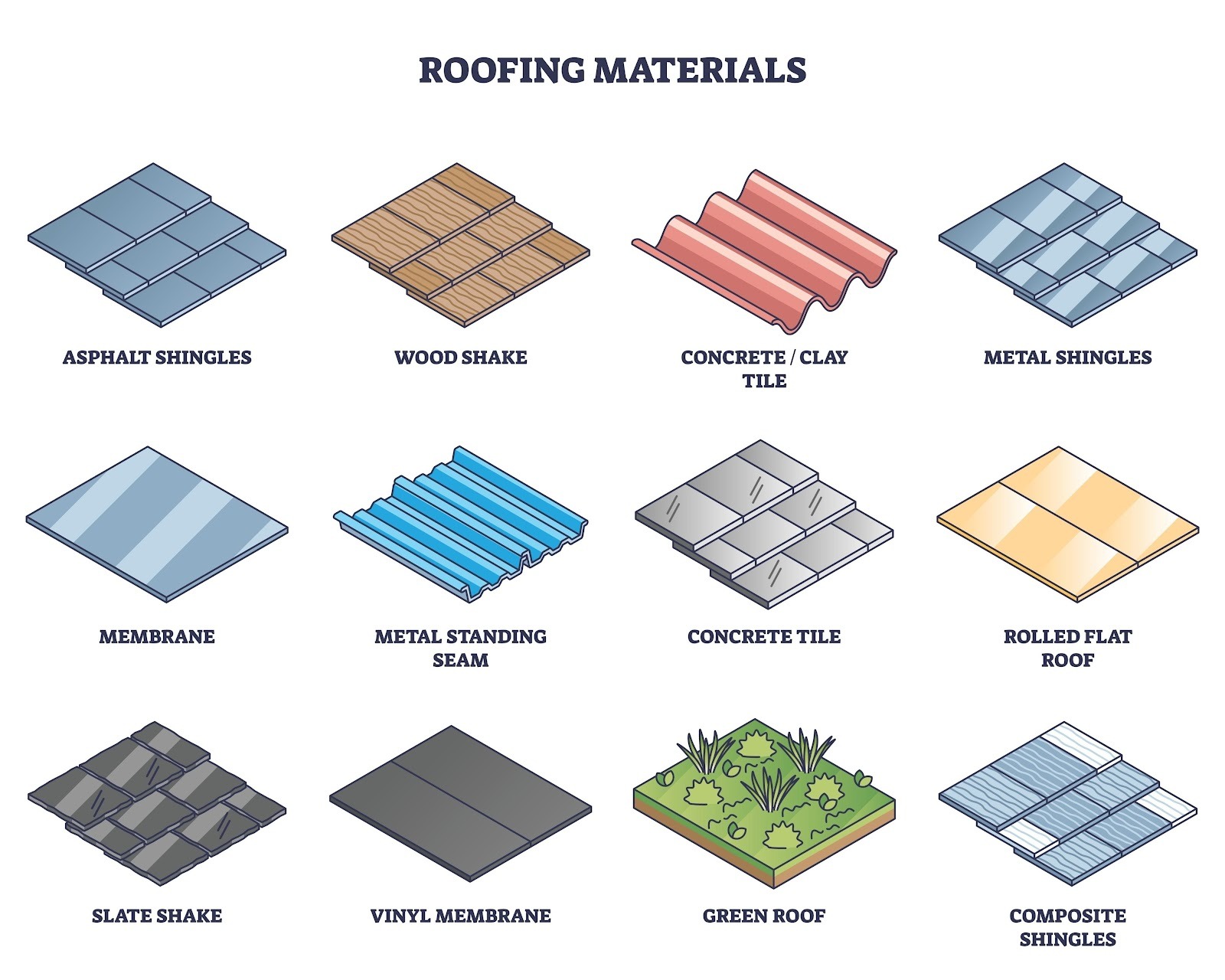
1. Architectural Asphalt Shingles
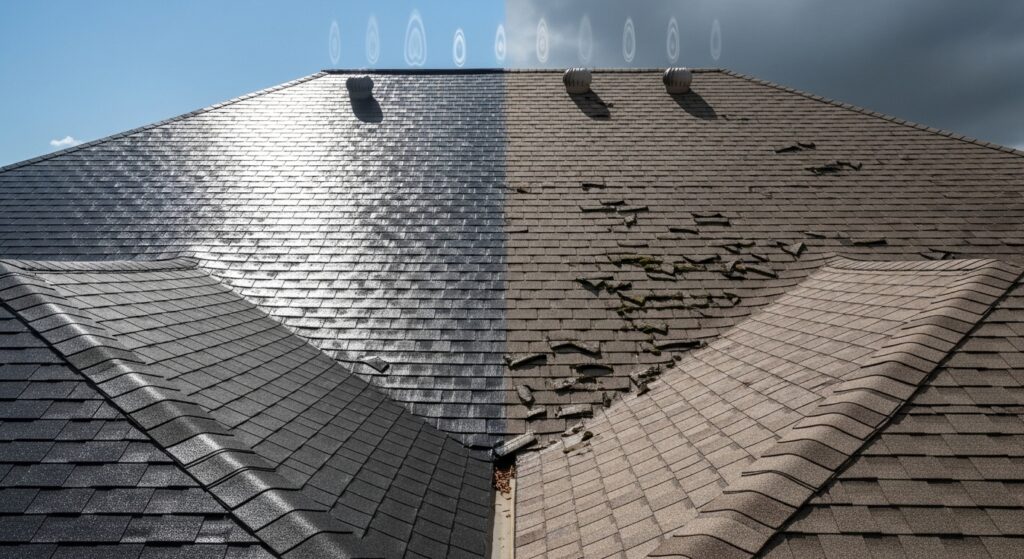
Standard 3-tab shingles often struggle in Houston. The intense UV rays bake the oils out of them, making them brittle, and high winds can easily lift the tabs. However, Architectural (Dimensional) Shingles are a different story.
- Why they work: They are thicker, multi-layered, and generally rated for winds up to 130 mph.
- The Heat Factor: Modern architectural shingles come in “cool roof” varieties that have specially coated granules to reflect UV rays, keeping your attic cooler.
- Verdict: This is the most popular choice for a reason. It balances cost with performance. If you choose this route, ensure you pick a light color (like light grey or tan) to reflect the Texas sun rather than absorb it.
2. Metal Roofing
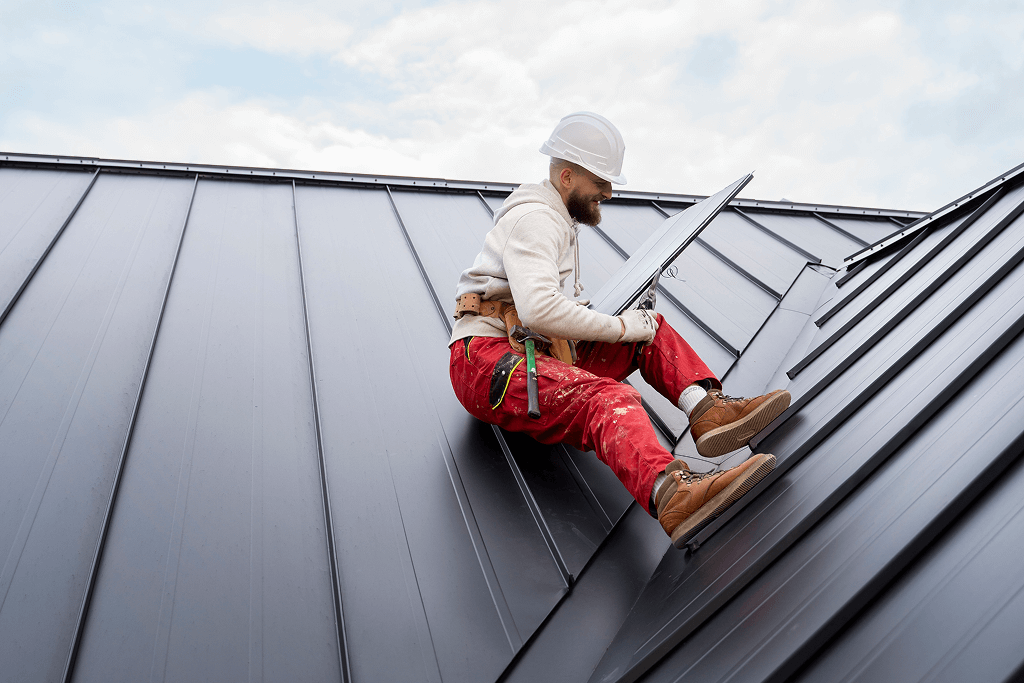
Drive around the newer developments in Houston, and you will see a surge in metal roofs. Whether it is standing seam or stone-coated steel, metal is arguably the best all-around performer for the Gulf Coast.
- Wind Resistance: Metal roofs have the highest wind ratings, often withstanding gusts over 140 mph.
- Energy Efficiency: A metal roof acts like a mirror for the sun. It can reduce your cooling costs by 15-25% by reflecting solar heat instead of trapping it.
- Longevity: While an asphalt roof might last 20 years here, a metal roof can easily last 50.
- Verdict: It is a higher upfront investment, but for longevity and energy savings, it is unbeatable. Learn more about our expert roofing services in Houston to see if metal is right for your home style.
Roofing Materials Compared for Houston
| Material | Lifespan | Heat Resistance | Hail Rating | Avg. Cost (Houston) | Best For |
|---|---|---|---|---|---|
| Architectural Asphalt | 20–30 Years | Moderate | Class 2–3 | $5,000–$10,000 | Budget-friendly residential homes |
| Impact-Resistant Asphalt | 25–35 Years | High | Class 4 | $7,000–$14,000 | Storm-prone areas |
| Metal Roofing | 40–70 Years | Very High | Class 4 | $12,000–$25,000 | Long-term durability & efficiency |
| Clay Tile | 50+ Years | Excellent | High | $15,000–$30,000 | Luxury & heat resistance |
| Concrete Tile | 40–60 Years | Excellent | High | $12,000–$25,000 | Durability & style |
| TPO (Flat Roof) | 20–30 Years | Very High | Moderate | $8,000–$16,000 | Flat/low-slope roofs |
| Cedar Shake | 20–40 Years | Moderate | Low | $10,000–$20,000 | Natural aesthetic homes |
3. Clay and Concrete Tile
There is a reason you see tile roofs on historic homes in Galveston and high-end homes in River Oaks. They are incredibly tough.
- Thermal Mass: Tiles are heavy and take a long time to heat up. This thermal mass helps regulate the temperature inside your home, keeping it cooler during the day.
- Impervious to Rot: Humidity is a non-issue for concrete or clay. They don’t rot, warp, or get eaten by insects.
- Verdict: These are excellent for the climate but require a sturdy roof structure to support the weight. They are also virtually hurricane-proof when installed correctly.
Best Overall: Impact-Resistant Asphalt Shingles
Impact-resistant (IR) asphalt shingles are widely considered the best overall roofing
option for Houston homeowners due to their balance of durability, cost, and performance.
These shingles are designed with reinforced materials that achieve a Class 4 hail rating,
the highest level of impact resistance available. This makes them highly effective at
withstanding hailstorms and flying debris during severe weather events common in Texas.
In addition to protection, IR shingles can help homeowners save money through potential
insurance discounts, as many providers offer reduced premiums for homes with Class 4
roofing systems. They also perform well in extreme heat, resisting cracking and premature
aging better than standard shingles.
Popular options like GAF Timberline HDZ and Owens Corning Duration offer advanced
durability, strong warranties, and enhanced wind resistance. Compared to more expensive
materials like metal or tile, impact-resistant shingles provide excellent value while
delivering long-term protection, making them the top choice for most homes in Houston.
4. Slate (and Synthetic Slate)
Natural slate is beautiful and lasts a century, but it is heavy and brittle under foot traffic. Synthetic slate, made from rubber or polymer composites, is becoming a favorite in Houston.
- Impact Resistance: Synthetic slate is often Class 4 impact rated, meaning it can bounce off hail that would shatter real stone or bruise asphalt.
- The Look: You get the curb appeal of a historic estate without the structural weight issues.
Best Premium Option: Metal Roofing in Houston
Metal roofing is a premium option for Houston homeowners looking for long-term durability
and energy efficiency. Standing seam metal roofs can last 50 years or more, significantly
outlasting traditional asphalt shingles. Their reflective surface helps reduce heat
absorption, lowering cooling costs during hot Texas summers.
Metal roofs also perform well in severe weather, offering strong resistance to wind,
hail, and heavy rain. However, the higher upfront cost can be a drawback for some
homeowners. Despite the initial investment, the long lifespan and energy savings often
make metal roofing a cost-effective solution over time, especially for those planning
to stay in their home long-term.
What to Avoid
In Houston, try to avoid:
- Wood Shakes: The humidity promotes rot and mold, and they are a fire hazard.
- Dark-Colored 3-Tab Shingles: They absorb too much heat and fail prematurely.
Choosing the right material is the first step. The second is proper installation. Even the best metal roof will leak if the flashing isn’t handled correctly. If you are ready to upgrade your home’s defenses, check our exterior services in Houston to get started.
FAQ
What is the best roofing material for Houston’s heat?
Metal roofing and impact-resistant shingles are the best options due to their heat resistance and durability.
Does metal roofing hold up in Texas hurricanes?
Yes, properly installed metal roofs can withstand high winds and severe weather common during hurricanes.
How long does a roof last in Houston TX?
Most roofs last 15–30 years, while metal and tile roofs can last 40–70+ years with proper maintenance.
Does impact-resistant roofing lower insurance in Texas?
Yes, many insurance companies offer discounts for homes with Class 4 impact-resistant roofing systems.