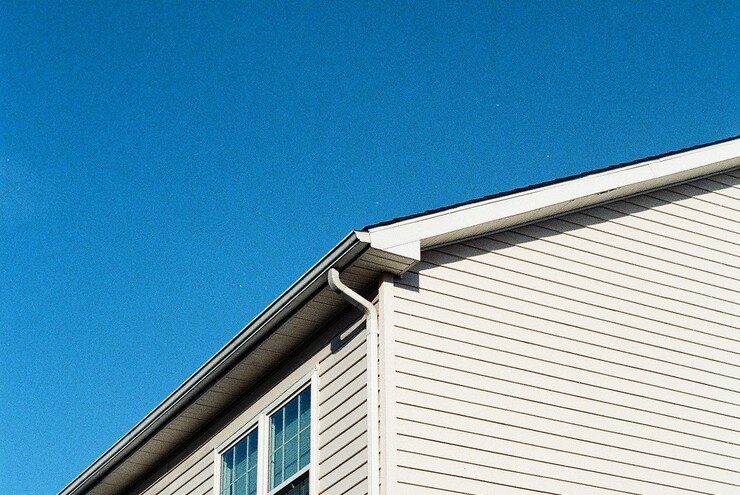
Your siding is your home’s skin. It has to breathe, it has to shed water, and it has to look good doing it. But unlike interior paint or furniture, you can’t just pick siding based on what color you like best. You have to pick it based on where you live.
In Texas, we deal with a brutal “Big Three” combination: extreme heat, high humidity, and hurricane-force winds. A material that works perfectly in dry Arizona or cool Vermont might fail miserably in Houston. Here is a guide to choosing the best armor for your specific climate.
1. Vinyl Siding: The Budget-Friendly Contender
Vinyl is the most popular siding in America due to its low cost and low maintenance.
- Climate Suitability: Moderate.
- The Risk: In extreme heat, cheap vinyl can warp or melt (especially if reflected sunlight hits it). In high winds, it can crack or rattle.
- The Verdict: If you choose vinyl for the Texas coast, you must invest in high-grade, insulated vinyl that is rated for high winds. Standard “builder-grade” vinyl often becomes brittle in our UV conditions. For more on installation, see our siding installation services in Texas.
2. Fiber Cement (James Hardie): The Heavyweight Champ
Fiber cement is a composite made of wood pulp, cement, sand, and water.
- Climate Suitability: Excellent.
- Why it works: It does not rot, warp, or melt. It is impervious to termites (a major issue in humid climates) and can withstand winds up to 130+ mph. It is specifically engineered for our “HardieZone” (HZ10) to resist heat and humidity.
- The Verdict: This is widely considered the gold standard for the Gulf Coast. It costs more than vinyl but lasts significantly longer.
3. Natural Wood: The High-Maintenance Beauty
Cedar and cypress are stunning and traditional.
- Climate Suitability: Poor to Fair (in humid zones).
- The Risk: Wood absorbs moisture. In our humid climate, wood siding requires constant painting or staining to prevent rot, mold, and swelling. It is also a buffet for insects.
- The Verdict: Unless you are committed to high maintenance or are using it for small accents, natural wood is a tough sell for a full exterior in this region.
4. Metal Siding: The Modern Fortress
Modern metal siding isn’t just for barns; it creates a sleek, industrial look.
- Climate Suitability: Excellent.
- Why it works: Metal reflects heat, doesn’t rot, and is fire-resistant.
- The Verdict: Great for modern homes, but be aware of the “oil canning” effect (visible waviness) in extreme heat if not installed with expansion gaps.
5. Stone and Brick Veneer
- Climate Suitability: Excellent.
- Why it works: Thermal mass. Brick and stone heat up slowly, keeping the house cooler during the day. They are virtually indestructible against weather.
- The Verdict: The most expensive option, often used in combination with fiber cement for a balanced aesthetic.
Key Questions to Ask Before Buying
Before you sign a contract, ask yourself:
- What is the wind rating? Ensure it meets local windstorm codes.
- Is it moisture resistant? Look for materials that don’t absorb water.
- What is the R-Value? Some siding comes with insulation backing to improve energy efficiency.
Choosing the right siding is a balance of budget and biology—the biology of mold, rot, and insects. If you are struggling to decide, our team can provide a consultation to compare materials suitable for your specific neighborhood. Check out our exterior services in Katy for examples of what works best in your area.
For a deeper dive into material science, you can read up on the benefits of composite materials on Wikipedia.