
When you buy a home or install a new roof, one of the first questions on your mind is undoubtedly: “How long is this going to last?” It’s a fair question. A roof is one of the most expensive distinct components of a house, and knowing its lifespan helps you budget for the future.
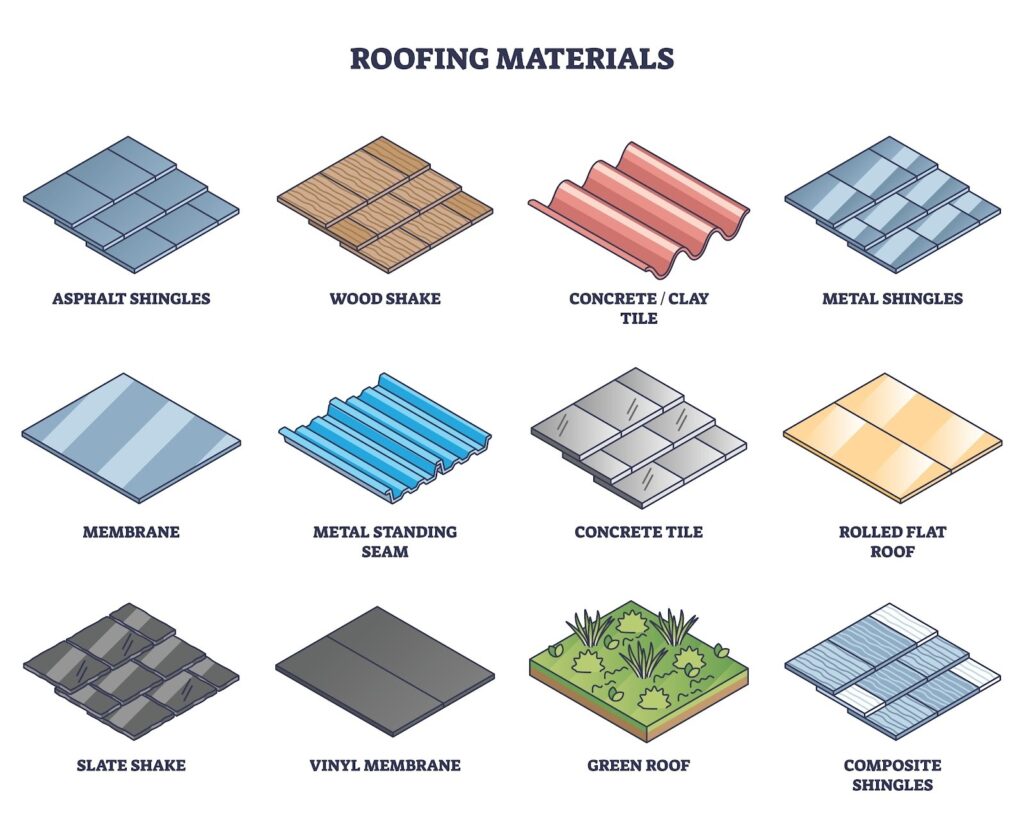
While metal, slate, and tile have their places, asphalt shingles remain the king of American roofing due to their affordability and durability. However, not all asphalt roofs are created equal, and the Texas climate has a significant say in how long they survive.
The Short Answer
Generally speaking, a standard asphalt shingle roof will last between 15 and 30 years. That is a wide range, isn’t it? The difference comes down to the quality of the shingle (3-tab vs. architectural), the quality of the installation, and environmental factors.
3-Tab Shingles vs. Architectural Shingles
To understand lifespan, you have to know what is on your roof.
- 3-Tab Shingles: These are the flat, single-layer shingles you see on many older or economy-built homes. They are lightweight and affordable.
- Expected Lifespan: 15 to 20 years.
- Durability: They are thinner and more prone to blowing off in high winds (rated usually up to 60 mph).
- Architectural (Dimensional) Shingles: These are thicker, multi-layered, and create a textured look. They are the industry standard for most premium roofing shingles installations.
- Expected Lifespan: 25 to 30 years (sometimes longer with high-end brands).
- Durability: Because they are heavier, they can withstand wind speeds of 110-130 mph, making them a much better choice for the Gulf Coast region.
Factors That Shorten Roof Life
Even the best shingles can fail early if the conditions are harsh. Living in Texas presents specific challenges that can shave years off your roof’s expected life.
1. Ventilation is Key
This is the silent killer of roofs. If your attic isn’t properly ventilated, heat and moisture build up underneath the roof deck. This “cooks” the shingles from the bottom up, causing them to curl and crack prematurely. Proper ventilation ensures your roof temperature stays regulated.
2. The Texas Sun
UV radiation breaks down the asphalt oils that keep shingles flexible. Once those oils are gone, the shingles become brittle. In areas like Houston and The Woodlands, the intense summer sun is relentless. This is why choosing a lighter color shingle or one with UV-resistant granules can help.
3. Severe Weather
Hurricanes and hail are facts of life here. Even if a storm doesn’t rip a hole in your roof, impact from hail can bruise the shingles, leading to granule loss. If you suspect recent weather has impacted your roof’s longevity, check out our storm damage emergency repair services.
Extending Your Roof’s Lifespan
You can’t control the weather, but you can control maintenance. Getting the most out of your investment requires a little effort.
- Keep Gutters Clean: Clogged gutters cause water to back up under the shingles, rotting the deck edges.
- Trim Overhanging Branches: Rubbing branches act like sandpaper on your roof, stripping away protective granules.
- Regular Inspections: catching a loose flashing or a missing shingle early prevents water form seeping into the underlayment.
The “Repair or Replace” Dilemma
If your roof is 15 years old and looking tired, you might be debating between a repair and a replacement. If the damage is localized (like a fallen branch), a repair makes sense. However, if the shingles are shedding granules heavily and the roof is nearing the 20-year mark, putting a patch on it is often throwing good money after bad.If you are unsure where your roof stands in its lifecycle, we can help. Whether you need a simple inspection or a full roof replacement in Sugar Land, knowing the facts helps you make the right choice for your home and budget.