A commercial roof warranty is a contract with specific terms, exclusions, notice requirements, approved materials, and maintenance duties. A generic checklist cannot replace the actual document.
Good records help an owner show what was installed, who accessed the roof, when a symptom began, and how repairs were handled. They also make ownership and property-management transitions less disruptive.
Key point: A commercial roof warranty is a contract with specific terms, exclusions, notice requirements, approved materials, and maintenance duties. A generic checklist cannot replace the actual document.
The Core Roof File
Keep the executed warranty, specification, drawings, submittals, approved changes, installation photos, final inspection, certificate documents, product data, contractor contacts, and the exact start and expiration dates. Record whether the warranty is manufacturer, contractor, material-only, or system coverage.
Inspection and Maintenance Logs
Each entry should include date, weather context, inspector, areas reviewed, photographs, observations, recommended action, completed action, and attached invoice. Follow the warranty’s required frequency and approved service path instead of assuming an annual visit is sufficient.
Leak and Interior-Damage Records
Log when the symptom was first seen, exact room or grid location, weather, duration, ceiling or wall condition, equipment nearby, temporary measures, and who was notified. The interior drip point may be far from the roof entry point.
Rooftop Contractor Access
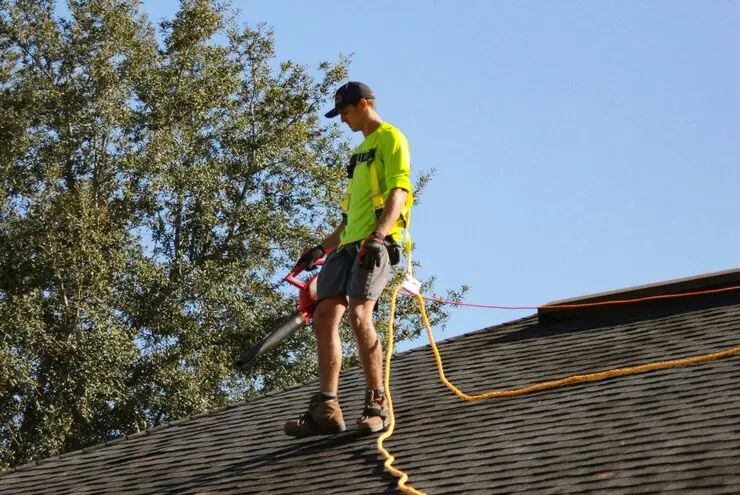
Record HVAC, electrical, solar, telecom, plumbing, sign, and pest-control visits. Require protected walk paths, debris removal, photos, and immediate reporting of penetrations or damage. Unauthorized modifications can affect warranty rights.
Storm Documentation
After safe access is restored, record wind, hail, debris, displaced components, blocked drainage, temporary protection, and inspection findings. Notify the warrantor or insurer according to their separate deadlines; one notice may not satisfy the other.
Handoff Checklist
When managers, owners, or tenants change, transfer the roof plan, keys and access rules, warranty contacts, open issues, leak map, repair history, rooftop-equipment list, and next required action. Store a secure digital copy and a property-level reference copy.
Frequently Asked Questions
Are all commercial roof warranties maintained the same way?
No. Requirements differ by manufacturer, system, installer, term, and coverage type.
Do photos replace invoices and reports?
No. Photos are useful evidence but should be paired with dates, locations, observations, scope, and proof of completed work.
Can any contractor make a warranty repair?
Not always. Some warranties require notification or approved contractors and materials. Read the document before authorizing work.