
Saving Green While Going Green The Homeowner’s Guide to Window Tax Credits
Look, we live in Texas. You know that moment in mid-July when you walk past a window and it feels like a blow dryer is aimed directly at your face? Yeah, that one. Our AC units are the hardest working employees in the state, and if your windows are old, leaky, or just plain thin, you’re basically paying to cool the entire neighborhood.
But here’s the good news: upgrading to energy-efficient window upgrades isn’t just about comfort anymore; it’s about getting some of that hard-earned money back from Uncle Sam. Between the federal Energy Efficient Home Improvement Credit (Section 25C) and various local incentives, you can actually make the math work in your favor.
I’m writing this because I’ve seen too many homeowners dive into a project only to realize later they bought the “wrong” window to qualify for the credit. It’s a gut-punch. So, let’s sit down, walk through the technicalities (I’ll keep it simple, I promise), and figure out how to get your home ready for the next heatwave while keeping your wallet heavy.
If you’re already feeling the heat, you might want to start looking at energy-efficient windows in Texas to see what’s actually available for our unique climate.
What You’ll Need Before You Buy
You don’t need to be a tax pro, but you do need to be a bit of a stickler for details. This isn’t just about buying “nice” windows; it’s about meeting very specific criteria.
- Your 2025 Tax Info: To understand your current tax liability (credits only work if you owe taxes!).
- The Energy Star 7.0 Guidelines: These changed recently, and they are much stricter.
- The Manufacturer’s Certification Statement: Think of this as the “golden ticket.” It proves the windows meet the requirements.
- A Reputable Contractor: Someone who actually understands new window installation and doesn’t just try to sell you whatever is in stock.
Step-by-Step: How to Maximize Your Window Tax Credits
1. Confirm Your Tax Eligibility
Here’s the thing: the federal tax credit is a non-refundable credit. This means if you don’t owe any federal income tax, you won’t get a check in the mail. However, for most of us, it reduces our tax bill dollar-for-dollar. As of now, you can claim 30% of the cost of the windows, up to $600 per year.
Wait, only $600? I know, it sounds low when you’re doing a whole house. But—and here’s my favorite trick—you can spread your project out over multiple years. Do the living room this year, the bedrooms next. That way, you capture that $600 credit every single time.
2. Check the Energy Star Version 7.0 Label
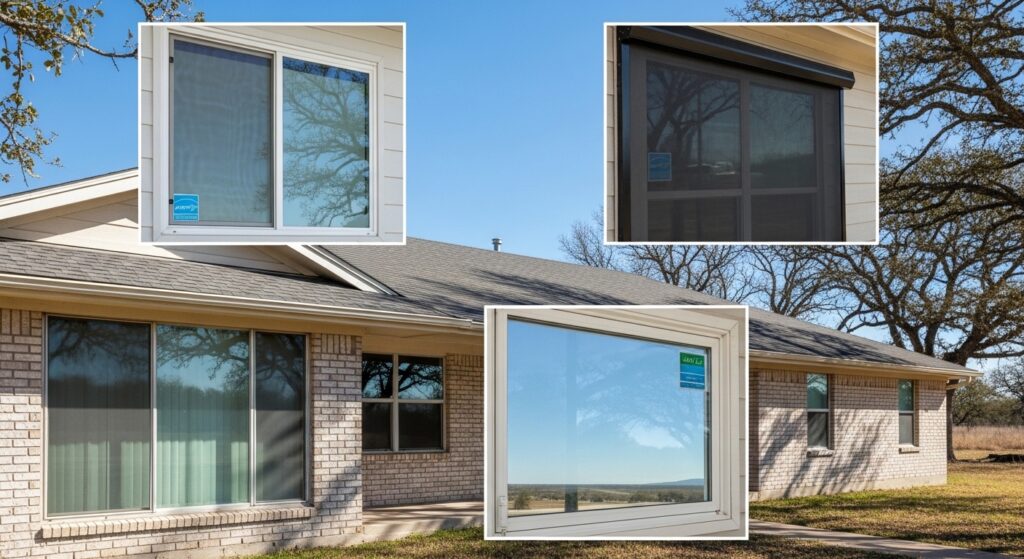
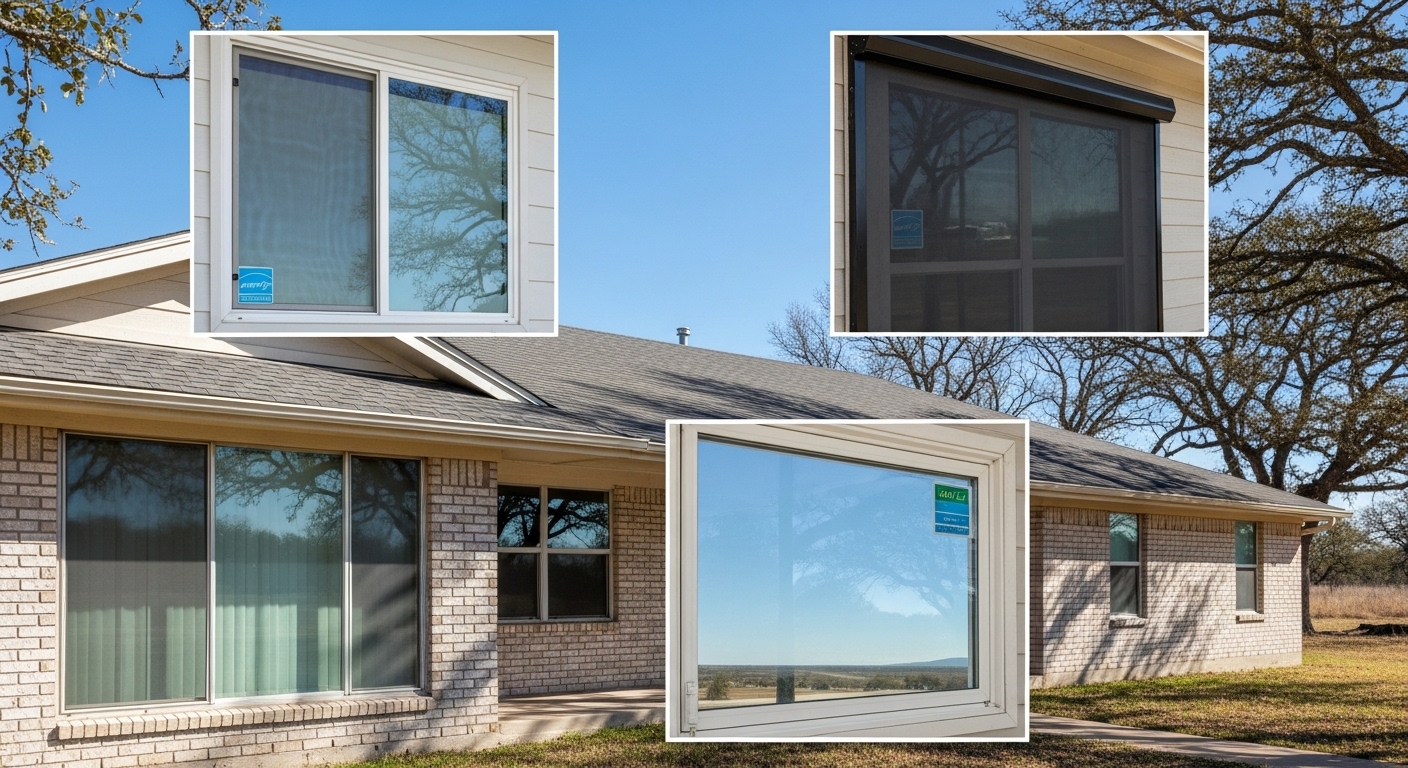
This is where most people get tripped up. To qualify for the federal credit, your windows must meet the Energy Star Most Efficient criteria for your climate zone. In Texas, we are mostly in the South or South-Central zones.
You’re looking for two specific numbers: the U-Factor (how well the window keeps heat in) and the Solar Heat Gain Coefficient (SHGC) (how well it blocks the sun’s heat). In Texas, a low SHGC is your best friend.
3. Choose the Right Material for the Texas Sun
Not all frames are created equal. Vinyl is popular because it’s affordable and handles the humidity well, but high-quality composite frames or thermally broken aluminum can also be great. Honestly, I’ve seen cheap vinyl warp in the 105-degree August sun, so don’t just go for the “budget” option if you want the credit (and the durability).
Expected Outcome: By choosing the right frame and gas-filled (Argon or Krypton) double-pane glass, you’ll notice your AC cycling off much more frequently.
4. Secure the Manufacturer’s Certification
When you buy your energy-efficient window upgrades, the manufacturer should provide a specific document for tax purposes. Do not—I repeat, do not—lose this. Your tax preparer will need it, and if you get audited, “the guy at the store said they qualify” won’t fly.
5. Professional Installation is Key
I’m all for a good DIY project, but windows are tricky. If they aren’t shimmed, leveled, and flashed perfectly, they’ll leak air. If they leak air, all that expensive “efficient” glass is useless. Plus, many local utility rebates in Texas (like those from CenterPoint or Oncor) sometimes require professional installation to qualify for their specific cash-back programs.
Visualizing the Savings: The Anatomy of an Efficient Window
To help you understand why these windows cost more (and save more), here is what is happening inside the frame:
- Low-E Coating: A microscopic layer of silver or other metal that reflects infrared light. It’s like sunglasses for your house.
- Gas Fills: Instead of just air between panes, they use Argon. It’s denser and slows down heat transfer.
- Warm Edge Spacers: These keep the panes apart and prevent condensation at the edges.
Troubleshooting Common Credit Hurdles
- “My contractor says I don’t need Energy Star”: Find a new contractor. Seriously. If you want the credit, it’s non-negotiable.
- “I missed the filing deadline”: Most of these credits apply to the tax year the windows were installed, not purchased. Check your dates!
- “The windows I want aren’t on the list”: Some “impact” or “hurricane” windows are great for safety but don’t always hit the high efficiency marks needed for the tax credit. You might have to choose between a storm rating and a tax credit.
Expert Tips for Texas Homeowners
If you really want to “land the client” (in this case, your own bank account), here are some pro insights:
- Don’t Ignore the Doors: The same tax credit applies to exterior doors (up to $250 per door, $500 total). If you’re doing windows, look at your patio door installation options too.
- Combine with Utility Rebates: Many Texas cities have local programs. Sometimes they offer $50-$100 per window on top of the federal tax credit. It’s called “stacking,” and it’s totally legal.
- Think About “Vibe”: Energy efficiency doesn’t have to look industrial. You can get beautiful casement window installation that looks classic but performs like a spaceship.
Summary & Next Steps
Upgrading your home shouldn’t feel like a chore, but navigating the tax world definitely can. Just remember:
- Verify Energy Star 7.0 status.
- Keep your receipts and certification statements.
- Spread the project over a couple of years if you want to maximize the $600/year cap.
Honestly, the tax credit is just the cherry on top. The real win is when you can sit in your breakfast nook in the middle of a Houston afternoon and not feel like you’re melting.
Ready to start?
- Audit your current windows: Which ones feel the hottest?
- Get a quote: Talk to someone who knows the Texas climate. You can request a quote from us to see what qualifies.
- Consult your CPA: Make sure you have the tax liability to actually use the credit.
Your home is your sanctuary. Let’s make sure it’s a cool one.
Would you like me to look up the specific utility rebate programs available in your local Texas zip code to see if we can “stack” more savings on top of your tax credit?