
Your roof is the most important structural component of your home. It’s the primary shield against the elements, the key to energy efficiency, and a major factor in your property’s overall market value. Despite this, most homeowners follow a “out of sight, out of mind” philosophy—only calling a professional when water is actively dripping from the ceiling.
By the time a leak is visible inside your home, the structural damage is often already extensive. This leads to the most common question in home maintenance: How often should you have your roof inspected?
In this comprehensive guide, we’ll break down the standard inspection frequencies based on roof age, material, and climate, while highlighting the red flags that mean you need a pro on your roof immediately.
The General Rule of Thumb
Most roofing experts and the National Roofing Contractors Association (NRCA) recommend a professional roof inspection twice a year—ideally in the spring and fall.
- Fall Inspections: Prepare your roof for the upcoming stress of winter (snow load, ice dams, or heavy rain).
- Spring Inspections: Identify any damage that occurred during the winter months and prep for the summer heat and storm season.
At a absolute minimum, you should schedule a professional check-up once per year.
Factors That Change Your Inspection Schedule
While twice a year is the baseline, your specific situation might require more or less frequent monitoring.
1. The Age of Your Roof
Age is the biggest predictor of vulnerability.
- New Roofs (0-5 Years): If your roof was installed by a reputable contractor, an inspection every 2 years is usually sufficient to check for minor settling or manufacturing defects.
- Mid-Life Roofs (5-15 Years): Annual inspections are non-negotiable. This is when seals begin to dry out and flashing can start to pull away.
- Aging Roofs (15+ Years): If your roof is nearing the end of its typical 20-30 year lifespan, move to bi-annual (twice yearly) inspections. Older roofs can fail suddenly after a single storm.
2. Roofing Material
Not all materials age at the same rate.
- Asphalt Shingles: The most common material, requiring annual to bi-annual checks due to their susceptibility to wind and UV damage.
- Metal Roofing: Highly durable; a professional check every 3 to 5 years is often enough, provided you do a ground-level check after storms.
- Tile and Slate: These can last over 50 years, but the tiles are brittle. Inspect every 2 to 3 years to check for cracked or slipped tiles.
- Flat Roofs: Because they don’t shed water as easily, residential flat roofs should be inspected every 6 months to prevent ponding and membrane failure.
3. Your Local Climate
If you live in an area with extreme weather, “standard” rules don’t apply.
- Hurricane/High-Wind Zones: Homeowners in coastal regions or “Tornado Alley” should have an inspection before and after the peak storm season.
- Heavy Snowfall Areas: If your region sees significant accumulation, a late-winter inspection is vital to check for structural sagging or ice dam damage.
- Surrounding Trees: Properties with heavy tree overhangs should be inspected more often. Falling debris can puncture shingles, and leaves can clog gutters, leading to water backup and rot.
5 Red Flags: Signs You Need an Inspection Now
Scheduled maintenance is great, but your roof might send “distress signals” between visits. If you notice any of the following, call a roofer immediately:
- Granules in the Gutters: If your gutters look like they are filled with black sand, your shingles are losing their protective coating. This leaves them vulnerable to “cooking” under the sun.
- Curling or Buckling Shingles: This is a sign of “thermal shock” or poor attic ventilation. It means your shingles are no longer lying flat to shed water.
- Visible Daylight in the Attic: If you can see light peeking through the roof boards from inside your attic, water is definitely getting in.
- Dark Streaks or Moss: While often thought of as a cosmetic issue, moss and algae retain moisture against the roof surface, which can rot the underlying wood.
- Damaged Flashing: The metal pieces around your chimney, vents, and skylights are the most common leak points. If they look rusted or loose, a leak is imminent.
The Risks of Skipping Inspections
Many homeowners try to save a few hundred dollars by skipping an inspection, but the long-term costs are significantly higher:
- Voided Warranties: Many shingle manufacturers require proof of regular maintenance to honor their 25-year or lifetime warranties.
- Insurance Denials: If you try to file a claim for storm damage, but your insurance company can prove the roof failed due to years of neglect, they may deny the payout.
- Toxic Mold: Hidden leaks in the attic create the perfect damp environment for black mold, which can cause serious respiratory issues for your family.
- Structural Rot: Water wicking into your rafters can compromise the very skeleton of your home, turning a $500 repair into a $20,000 replacement.
What Happens During a Professional Inspection?
A pro doesn’t just glance at your shingles. A thorough inspection covers three main areas:
The Exterior Check
The roofer looks for missing shingles, cracked tiles, or rusted flashing. They also check the fascia and soffits for signs of rot and ensure the chimney mortar isn’t crumbling.
The Interior Check
A professional will go into your attic to look for moisture stains, damp insulation, or mold. They also evaluate your attic ventilation; if the attic is too hot, it will destroy your shingles from the bottom up.
The Drainage Check
They will inspect your gutters and downspouts. If water isn’t moving away from your house properly, it can back up under the roofline or saturate your foundation.
Conclusion: Prevention is Cheaper Than Cure
A roof inspection is like an oil change for your car—it’s a small, proactive expense that prevents a catastrophic engine failure. By sticking to an annual or bi-annual schedule, you can extend the life of your roof by up to 10 years and ensure your home remains the safe haven it’s meant to be.
Is your roof ready for the next season? Don’t wait for the first drip. Contact a licensed roofing professional today to establish a baseline for your home’s health.
FAQ Summary
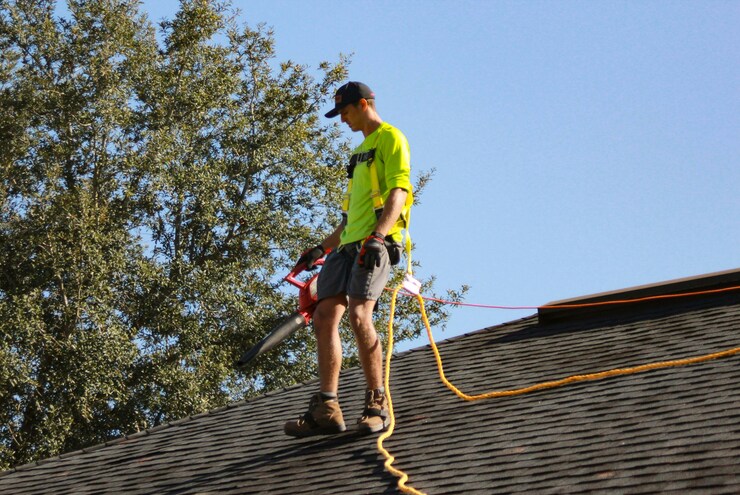
Can I do my own roof inspection? You can do a ground-level check with binoculars, but a professional has the safety gear and expertise to spot “hidden” issues like compromised flashing or saturated insulation.
How often should a 10-year-old roof be inspected? Annually.
Do I need an inspection after a hail storm? Yes, hail damage is often invisible from the ground but can lead to leaks months later.