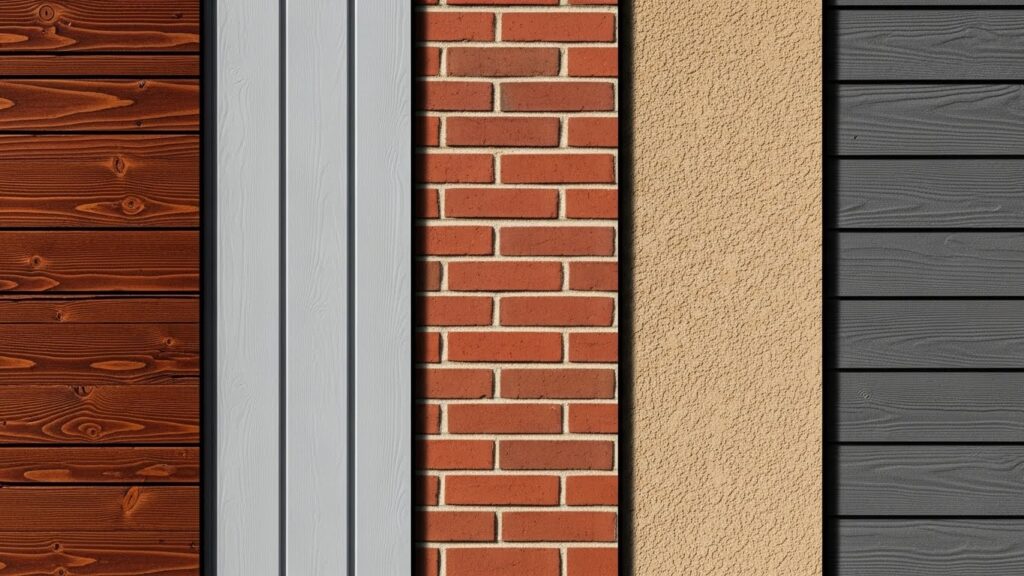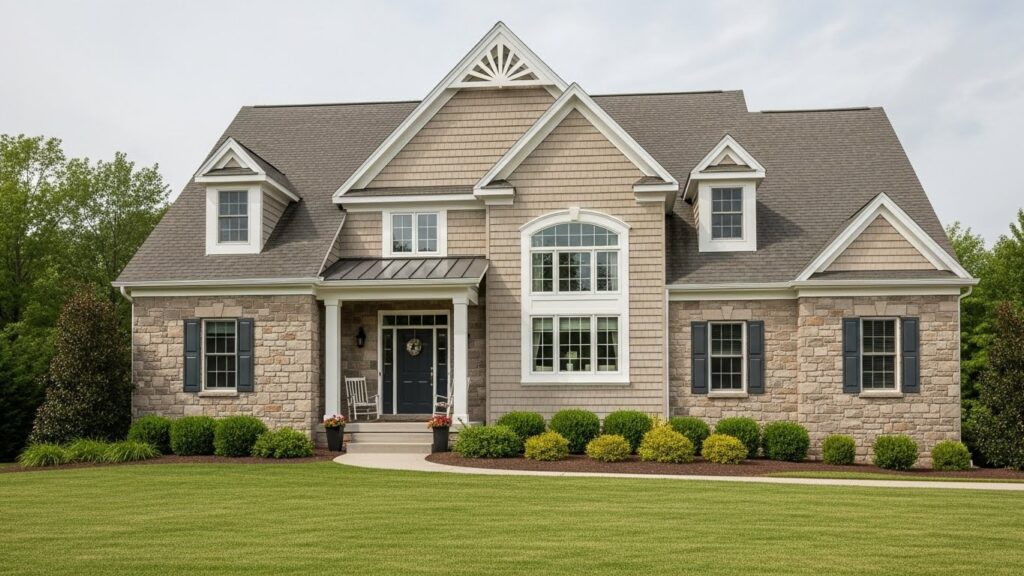

When you invest thousands of dollars into re-siding your home, you aren’t just buying a new look; you are buying time. You are buying years of not having to worry about rot, leaks, or painting. But how many years exactly?
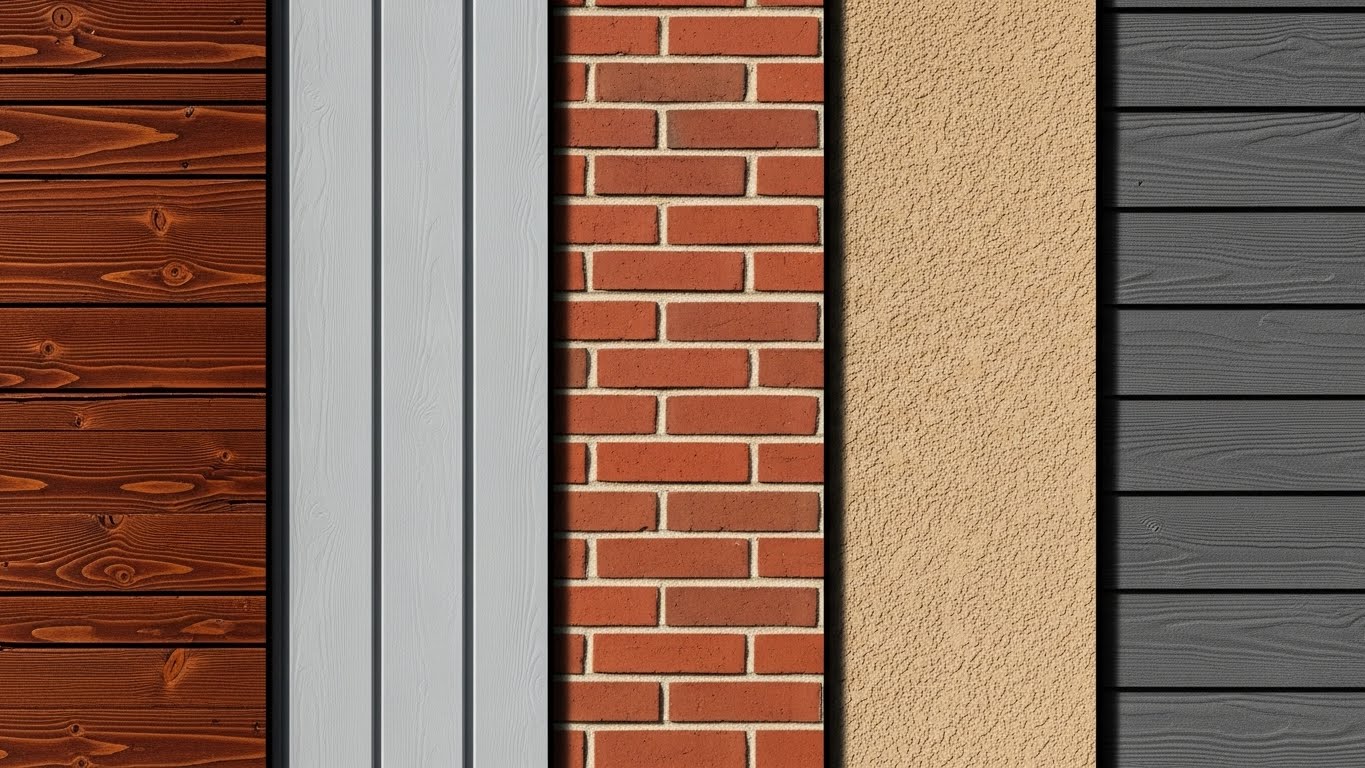
The answer depends heavily on the material you choose and, crucially, the environment it lives in. In the harsh climate of Texas, “average” lifespans are often put to the test. Here is a realistic breakdown of how long you can expect different siding materials to survive on the Gulf Coast.
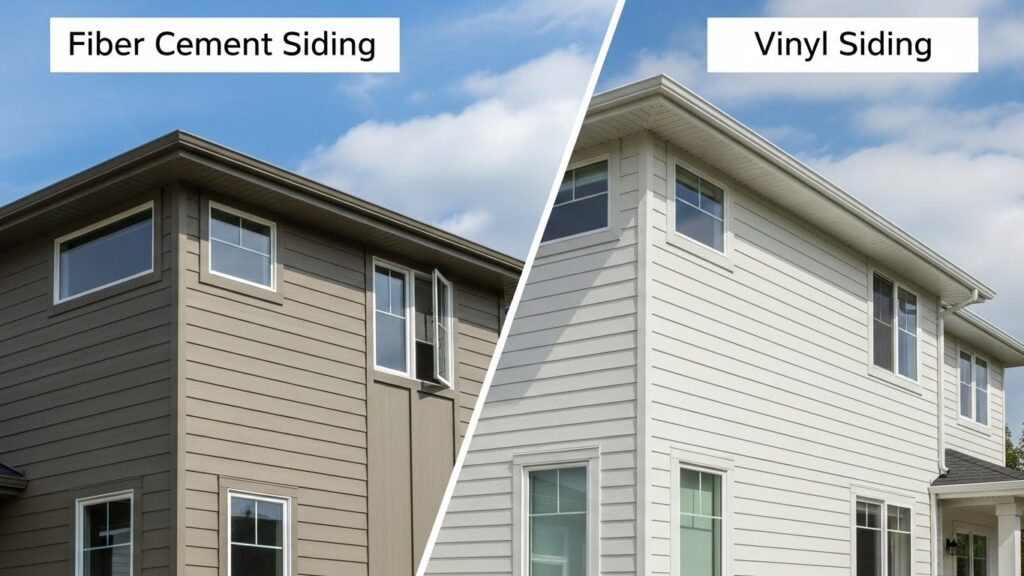
1. Vinyl Siding
- Estimated Lifespan: 20 to 40 years.
- The Reality: Vinyl is plastic. While it doesn’t rot, it does degrade. In the intense Texas sun, standard vinyl can become brittle and fade within 15 to 20 years. Once it becomes brittle, a stray baseball or a hailstorm can crack it easily.
- Maintenance: Low. Just a wash now and then.
- Signs of Failure: Cracking, warping, loose panels, or severe fading.
2. Fiber Cement (James Hardie)
- Estimated Lifespan: 50+ years.
- The Reality: This material is a beast. Most fiber cement products come with a 30-year non-prorated warranty, but the material itself can easily outlive the homeowner if installed correctly. It is the closest thing to a “lifetime” solution for non-masonry siding.
- Maintenance: Moderate. It will need repainting every 10-15 years (unless you buy pre-finished), and caulking should be checked periodically.
- Signs of Failure: Cracking (rare, usually due to house settling) or paint peeling.
3. Natural Wood (Cedar or Cypress)
- Estimated Lifespan: 20 to 40 years (with perfect maintenance).
- The Reality: In a dry climate, wood lasts forever. In humid Houston? It is a constant battle. Without rigorous staining and sealing every 3-5 years, wood siding can rot in less than a decade.
- Maintenance: High. Regular staining, sealing, and pest inspections are mandatory.
- Signs of Failure: Soft spots (rot), woodpecker holes, warping, or mold growth.
4. Metal Siding (Steel or Aluminum)
- Estimated Lifespan: 40 to 70 years.
- The Reality: Metal is incredibly durable. Aluminum won’t rust but can dent. Steel is stronger but can rust if the finish is scratched. Modern Kynar finishes prevent chalking and fading for decades.
- Maintenance: Low.
- Signs of Failure: Rust streaks, significant denting, or finish chalking.
5. Stucco
- Estimated Lifespan: 50 to 80 years.
- The Reality: Stucco is excellent for heat, but it has an Achilles heel: shifting foundations. If your foundation moves (common in our clay soil), stucco cracks. If water gets into those cracks, it can get trapped behind the wall, rotting the wood framing unbeknownst to you.
- Maintenance: Moderate. Inspect for cracks annually and seal them immediately.
Making It Last
No matter what material you pick, longevity comes down to installation. The best siding in the world will fail in 5 years if the flashing is wrong or the house wrap is cheap.
If your current siding is showing its age—warping boards, green mold, or high energy bills—it might be time to stop patching and start planning. We offer comprehensive home remodeling in Houston, TX, and can help you choose a material that fits your budget and your timeline.
Don’t wait until water is entering your walls. If you are unsure how much life your siding has left, contact us for an assessment. We serve the entire region, including siding replacement in Waller County.