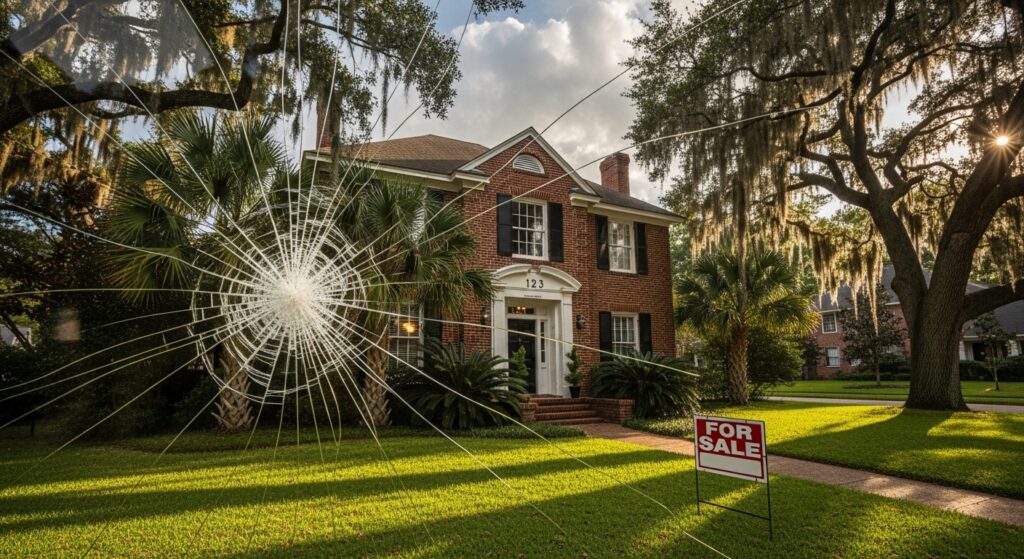
Understanding Hail Damage: Protecting Your Roof
Hail damage can significantly impact the integrity of your roof, leading to leaks and other serious issues if not addressed promptly. Homeowners should be aware of the signs of hail damage to ensure their roofs remain in optimal condition.
Identifying hail damage involves looking for dents or bruises on shingles, granule loss, and cracks. Regular inspections, especially after severe weather events, can help catch these issues early, allowing for timely repairs that can save homeowners from costly replacements.
Why Timely Repairs Matter
Timely repairs after hail damage can prevent further deterioration of your roof and save you money in the long run. Ignoring minor damages can lead to more extensive problems, including water intrusion and structural damage.
For instance, a small leak caused by hail damage can lead to mold growth, which poses health risks and requires expensive remediation. By addressing repairs quickly, homeowners can maintain their property’s value and ensure a safe living environment.
How to File an Insurance Claim for Hail Damage
Filing an insurance claim for hail damage can be a straightforward process if you know the steps involved. It’s essential to document the damage thoroughly and understand your policy coverage to ensure a smooth claims experience.
Start by taking clear photos of the damage and compiling any relevant documentation. Contact your insurance agent to discuss your policy and the next steps. Having a professional, like Tekton Exteriors, assist with the process can also help ensure that you receive the compensation you deserve.
Choosing the Right Roofing Material for Hail Resistance
Selecting the right roofing material can make a significant difference in how well your roof withstands hail. Certain materials are rated for better impact resistance, which can save you from frequent repairs and replacements.
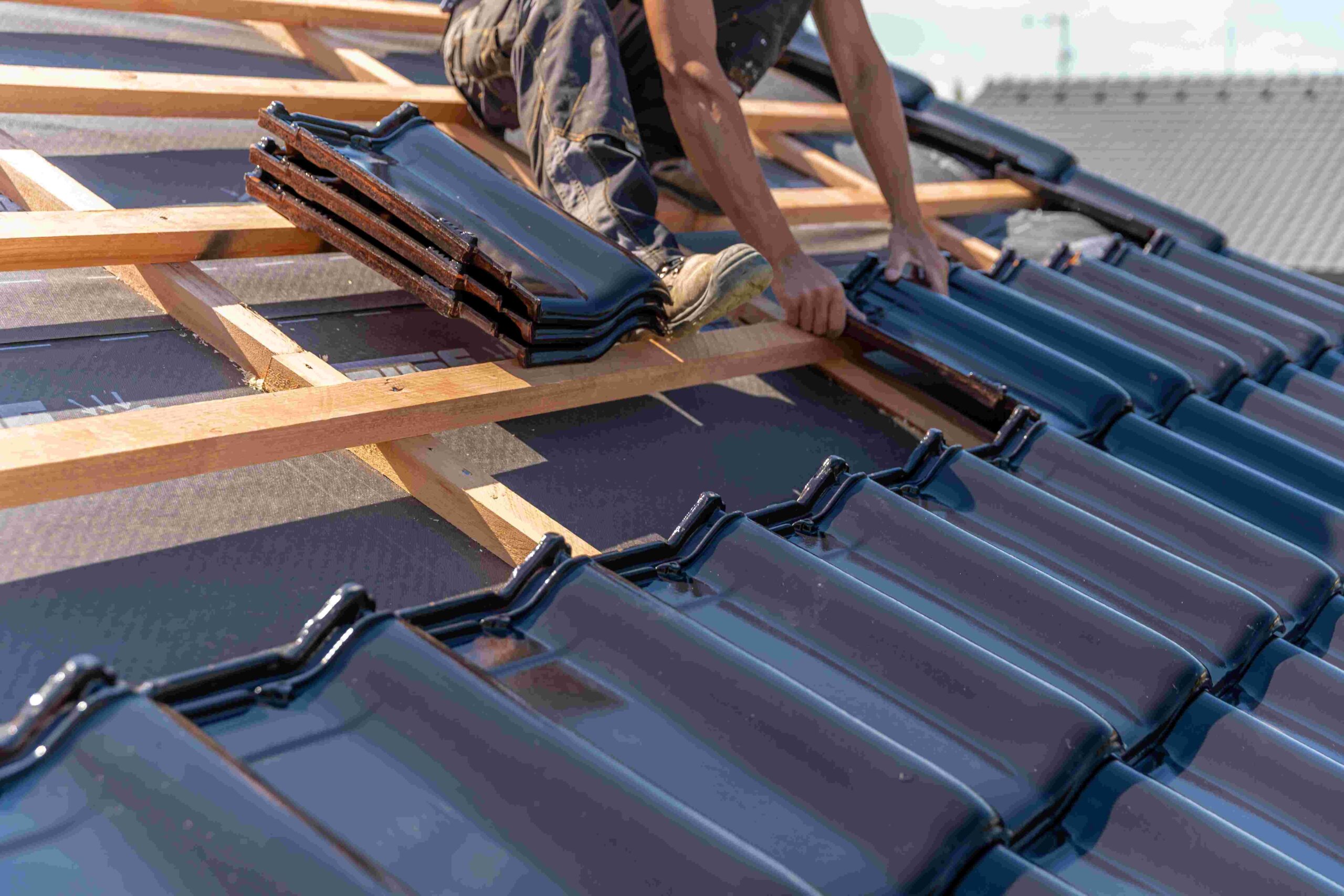
Materials such as metal, slate, and impact-resistant shingles are known for their durability against hail. Investing in these options can provide peace of mind for homeowners, knowing their roofs are better equipped to handle severe weather conditions.