Understanding Hurricane Roof Damage
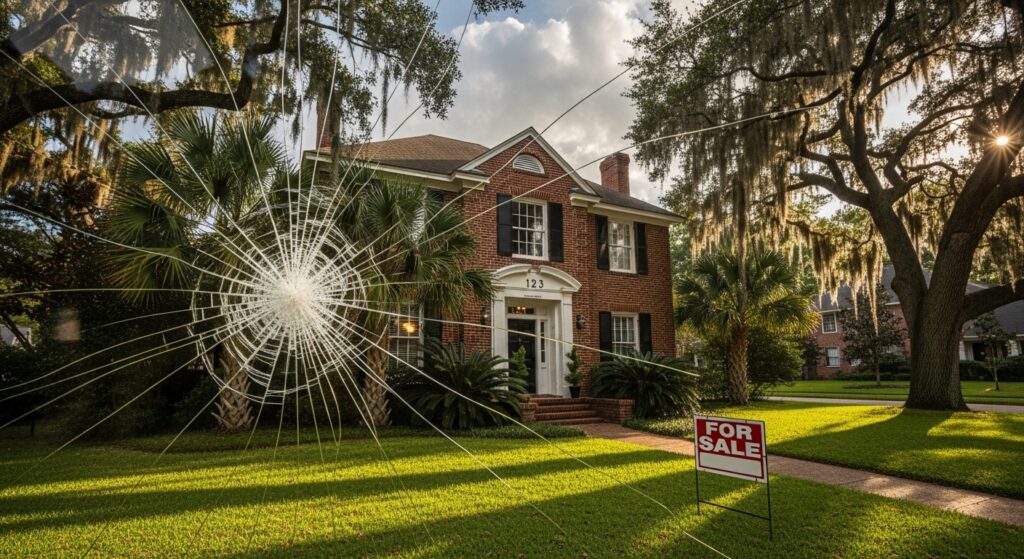
Hurricanes can cause significant damage to roofs, leading to leaks, structural weaknesses, and the need for costly repairs. Understanding the types of damage that hurricanes can inflict on roofing systems is crucial for homeowners, especially those living in storm-prone areas.
Common issues include missing shingles, punctures from debris, and water infiltration. Homeowners should regularly inspect their roofs for signs of wear and tear, especially after a storm, to mitigate further damage and ensure their homes remain protected during adverse weather conditions.
How to Identify Roof Damage After a Storm
Identifying roof damage promptly after a storm can save homeowners from extensive repairs and insurance headaches. Look for visible signs such as missing shingles, cracked tiles, or sagging areas, which may indicate underlying issues.
Additionally, check for water stains on ceilings and walls, as these can be indicators of leaks caused by roof damage. If any signs of damage are present, it is advisable to consult a professional roofing service to assess the situation and recommend necessary repairs.
The Importance of Regular Roof Maintenance
Regular roof maintenance is essential for prolonging the lifespan of your roofing system and preventing severe damage from unexpected storms. Routine inspections and maintenance can help identify minor issues before they escalate into costly repairs.
Homeowners should schedule annual roof inspections and consider seasonal maintenance tasks such as cleaning gutters, removing debris, and checking for signs of wear. This proactive approach not only enhances the roof's durability but also ensures peace of mind during hurricane season.
Choosing the Right Roofing Material for Hurricane-Prone Areas
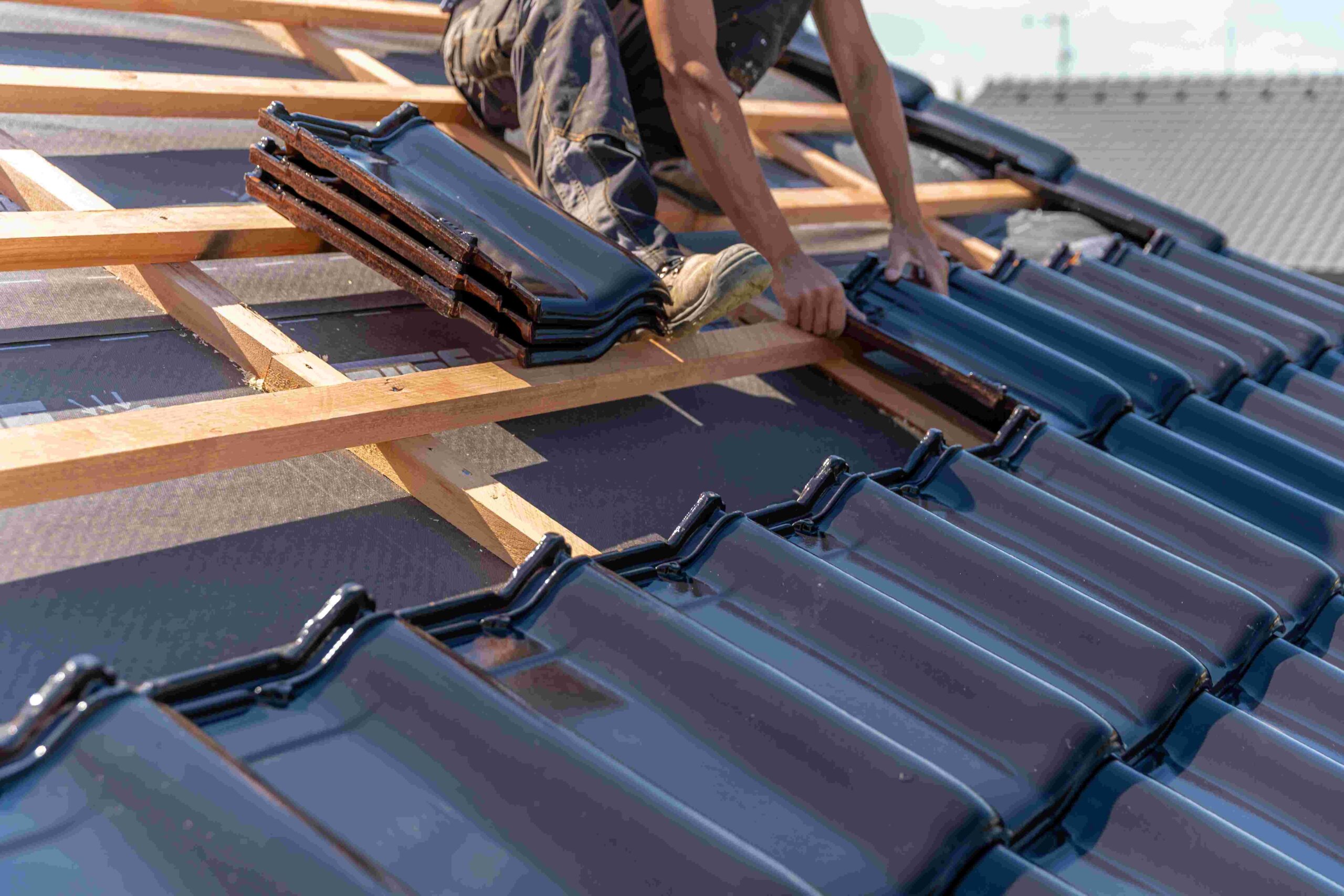
Selecting the appropriate roofing material is vital for homeowners in hurricane-prone regions. Some materials, like metal and asphalt shingles, offer better resistance to high winds and flying debris compared to others.
Investing in impact-resistant roofing options can significantly reduce the risk of damage during storms. Homeowners should consult with roofing professionals to determine the best materials suited for their specific location and climate, ensuring their homes are well-equipped to withstand severe weather conditions.