Storm Damage Prevention Strategies
Understanding storm damage prevention is crucial for homeowners looking to safeguard their properties. By implementing effective strategies, you can minimize the risk of damage caused by severe weather conditions, ensuring the longevity and integrity of your home.
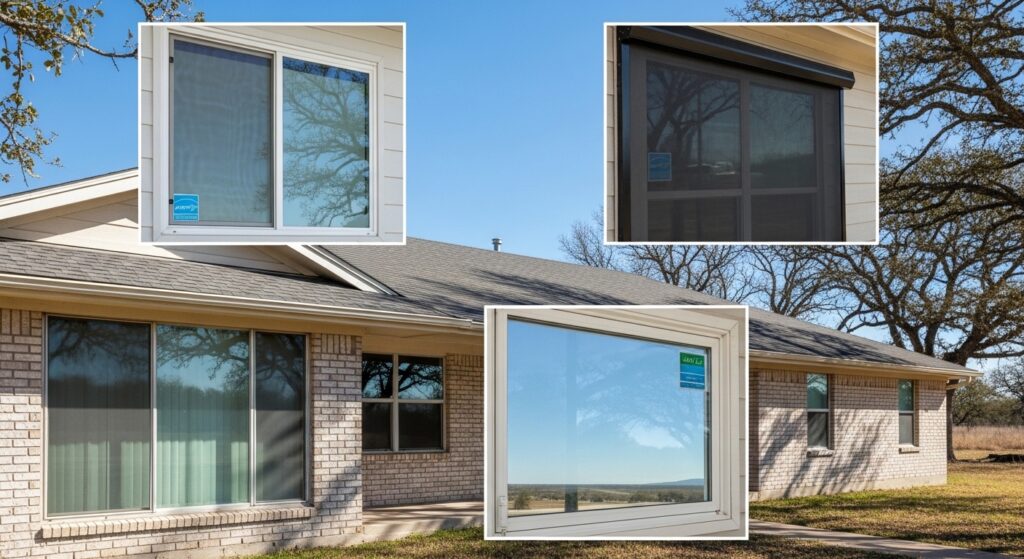
Some effective prevention strategies include regular roof inspections, maintaining gutters and downspouts, and reinforcing windows and doors. For instance, installing impact-resistant windows can significantly reduce the likelihood of storm-related breakage, while routine maintenance of your roof can prevent leaks and structural damage during heavy rains.
Importance of Regular Home Inspections
Regular home inspections play a vital role in storm damage prevention. By identifying potential vulnerabilities before a storm hits, homeowners can take proactive measures to fortify their properties against extreme weather.
During an inspection, professionals can assess the condition of the roof, siding, and windows, recommending necessary repairs or upgrades. For example, replacing worn-out shingles can prevent water infiltration, while sealing gaps around windows can enhance overall structural resilience.
Choosing the Right Materials for Storm Resilience
Selecting appropriate materials is essential for building a storm-resistant home. The right choices can significantly impact your home's ability to withstand harsh weather conditions.
Materials such as fiber-cement siding and impact-resistant roofing shingles offer enhanced durability and protection. Additionally, using high-quality sealants around windows and doors can prevent water intrusion, further safeguarding your home from potential storm damage.
Emergency Preparedness for Storm Seasons
Being prepared for storm seasons is key to minimizing damage and ensuring the safety of your family. Having an emergency plan in place can make a significant difference during severe weather events.
Homeowners should create a comprehensive emergency kit, including essential supplies such as water, non-perishable food, flashlights, and first aid items. Additionally, having a communication plan and knowing evacuation routes can help ensure a swift response when storms approach.