Comprehensive Guide to Vinyl Siding Options
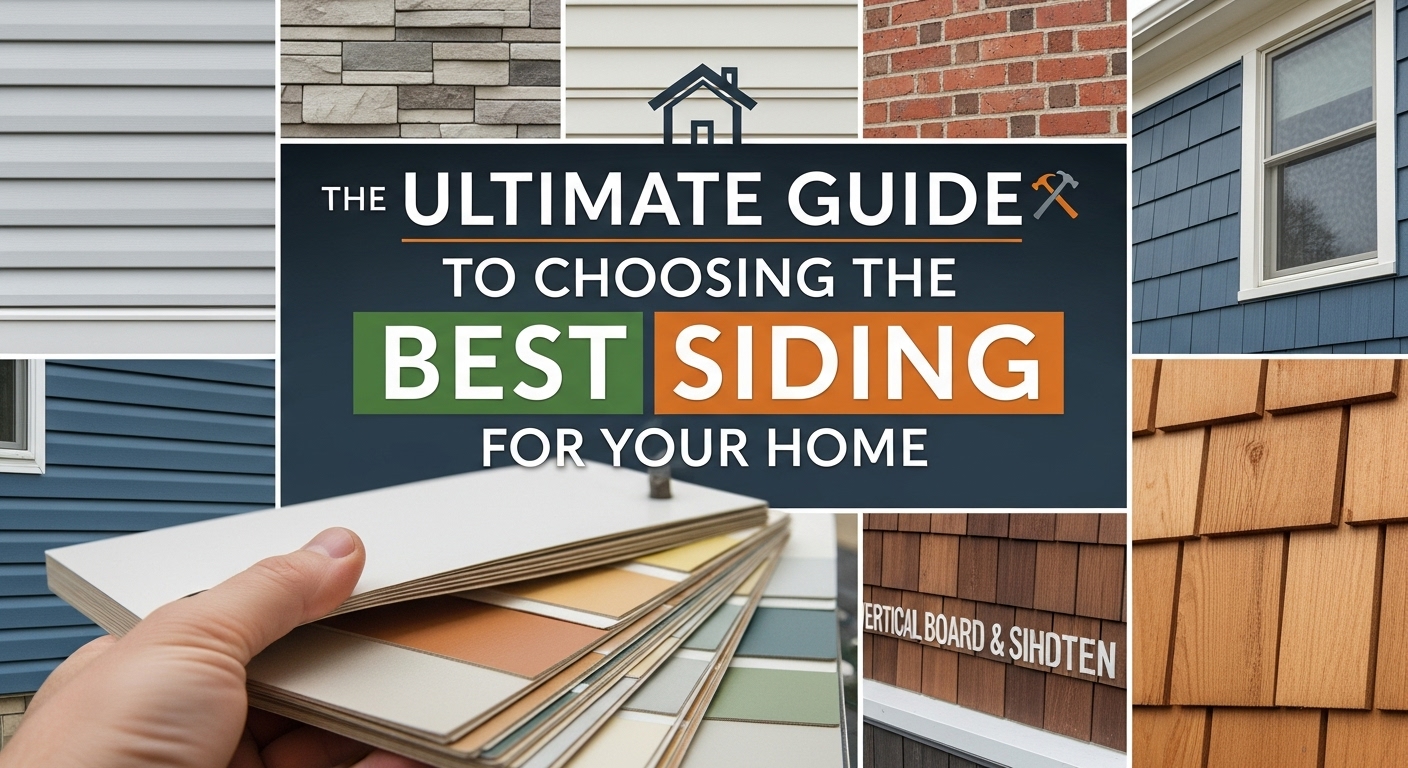
Vinyl siding is a popular choice for homeowners seeking a durable and cost-effective exterior solution. This guide explores various types of vinyl siding, including traditional lap siding, vertical siding, and shake-style options, helping you understand which style best suits your home's architecture and your personal preferences.
Each type of vinyl siding offers unique aesthetic and functional benefits. For instance, traditional lap siding provides a classic look and is available in a wide range of colors, while vertical siding can create a more modern appearance. Additionally, shake-style siding mimics the look of wood shakes without the maintenance, making it a favorite for those wanting a rustic charm.
Benefits of Vinyl Siding Installation
Installing vinyl siding can significantly enhance your home's curb appeal while providing long-lasting protection against the elements. Its low maintenance requirements and energy efficiency are key reasons why many homeowners choose vinyl siding over other materials.
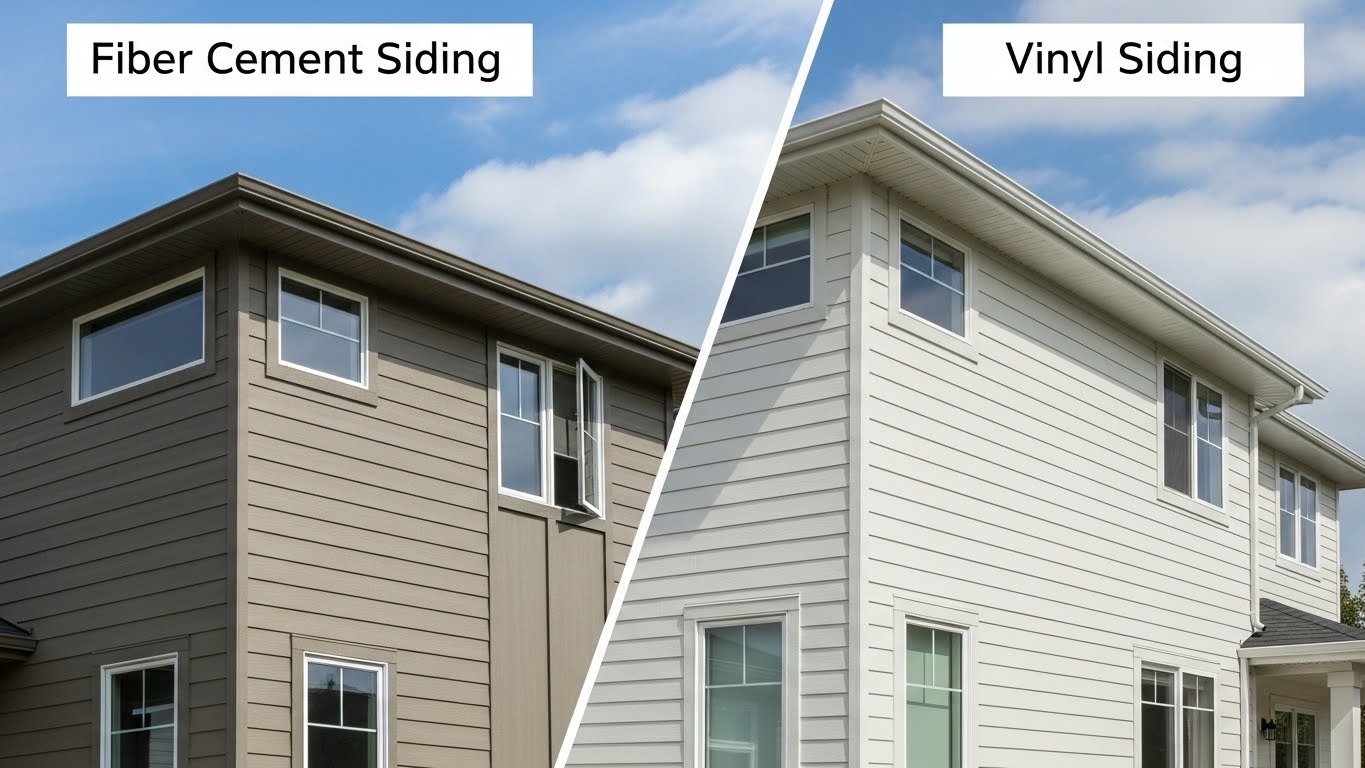
Vinyl siding is resistant to fading, cracking, and warping, ensuring that your home maintains its attractive appearance for years. Furthermore, many vinyl siding products come with insulation backing, which can improve your home's energy efficiency by reducing heating and cooling costs.
Vinyl Siding Maintenance Tips
While vinyl siding is known for its durability, proper maintenance can extend its lifespan even further. Regular cleaning and inspections can prevent issues such as mold growth and discoloration, ensuring your home remains beautiful and well-protected.
To maintain your vinyl siding, it's recommended to wash it with a mixture of soap and water at least once a year. Additionally, checking for any loose panels or damage after severe weather can help you address potential issues before they become major problems.
Choosing a Professional Installer for Vinyl Siding
Selecting the right contractor for your vinyl siding installation is crucial to achieving the best results. Look for professionals with experience and positive reviews to ensure your project is completed to the highest standard.
When evaluating potential installers, ask for references and check their credentials. A reputable contractor should provide a detailed estimate and be willing to explain the installation process, ensuring you feel confident in your choice before the work begins.