
The Complete Guide to Home Exterior Maintenance in North Mississippi
Honestly, is there anything better than a Saturday morning in North Mississippi when the humidity hasn’t quite kicked in yet? You’re out on the porch with some coffee, the pines are quiet, and everything feels… well, mostly peaceful. Until you look up.
Maybe you notice a streak of black algae on the roof shingles. Or perhaps you see a bit of fascia board that looks a little “punky” near the gutters. Suddenly, that peaceful coffee moment turns into a mental to-do list that’s three miles long.
I’ve been there. We all have. Owning a home in our neck of the woods is a labor of love, mostly because our weather is—to put it mildly—kind of obsessed with destroying our exteriors. Between the “frog-strangler” rainstorms, the ice that pops up once a year to keep us humble, and summer sun that feels like a heat lamp, our houses take a beating.
But don’t panic. Maintenance doesn’t have to be this giant, looming monster. It’s really just about knowing what to look for before the “small thing” becomes the “expensive thing.” Let’s walk through what it actually takes to keep your place standing tall and looking sharp.
The Problem: Why North Mississippi is Hard on Houses
Look, I love the South, but our climate is basically a spa day for mold and a nightmare for wood. If you lived in Arizona, your biggest worry might be the sun fading your paint. Here? We’re fighting a multi-front war.
The biggest culprit is moisture. We don’t just have rain; we have humidity you can practically chew. That moisture gets into everything. It sits in your gutters, it hides behind your siding, and it invites every spore in the county to come set up shop on your north-facing walls.
And then there’s the thermal swing. We’ll have a week where it’s 75 degrees and beautiful, followed by a sudden drop to 28. That constant expanding and contracting makes caulk crack and shingles brittle. If you ignore it, you aren’t just losing “curb appeal”—you’re slowly letting the elements rot the very bones of your house. I’ve seen 10-year-old homes look 30 because the owners just let the Mississippi moss take over.
A Deep Dive into the “Big Three” Killers
When we talk about maintenance, we’re really talking about three main areas that protect everything else.
1. The Roof (Your First Line of Defense)
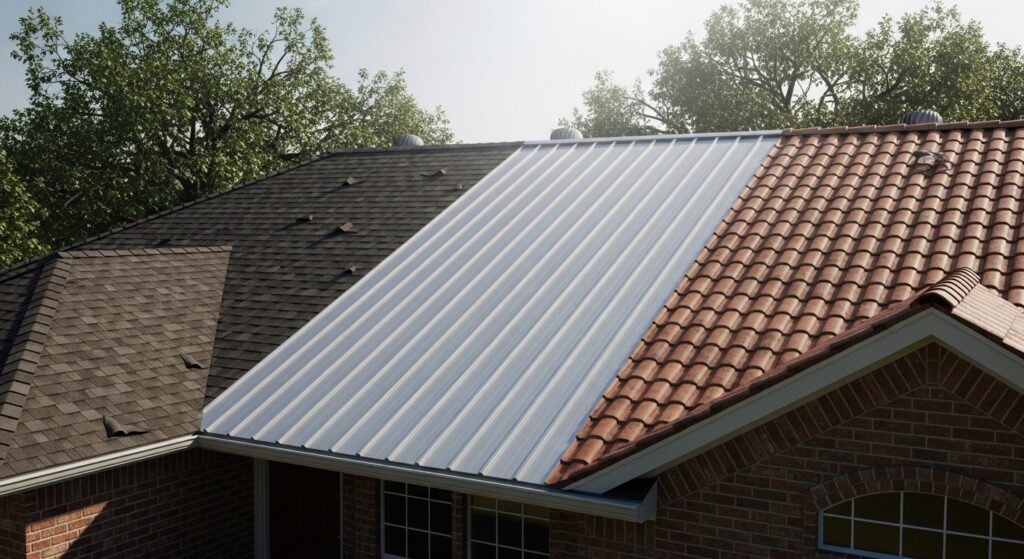
Your roof is like the helmet of your house. In North Mississippi, we get a lot of wind and occasionally some nasty hail. But the silent killer is actually those black streaks you see. That’s Gloeocapsa magma—a type of algae that actually eats the limestone in your shingles. It makes them brittle and less reflective, which means your AC has to work harder in July.
2. The Gutters (The Drainage System)
If your roof is the helmet, your gutters are the umbrella. But man, do they get filled up fast with pine needles and oak tassels. When gutters clog, the water backs up under your shingles or spills over and rots your fascia boards. Even worse, it pools at your foundation. In our clay-heavy soil, a puddle at the foundation is a recipe for a very expensive structural headache later on.
3. Siding and Paint (The Skin)
Whether you have vinyl, hardie board, or classic wood siding, it needs to be sealed. If you see paint peeling or caulk pulling away from window frames, that’s an open invitation for termites and rot. And trust me, once Mississippi termites find a soft spot, they don’t leave a five-star review; they just move in the whole family.
Solutions: How to Fight Back Without Losing Your Mind
Alright, enough about the scary stuff. How do we actually fix it? The trick is to stop thinking about it as “one big job” and start seeing it as a series of small “check-ins.”
The “Walk-Around” Ritual
Once every spring and fall, grab a cold drink and just walk slowly around your house. Look at the corners. Look at where the roof meets the walls. Look for “critter entrances.” If you see a small gap, fill it. If you see some green fuzzy stuff on the siding, wash it.
Roof and Gutter Love
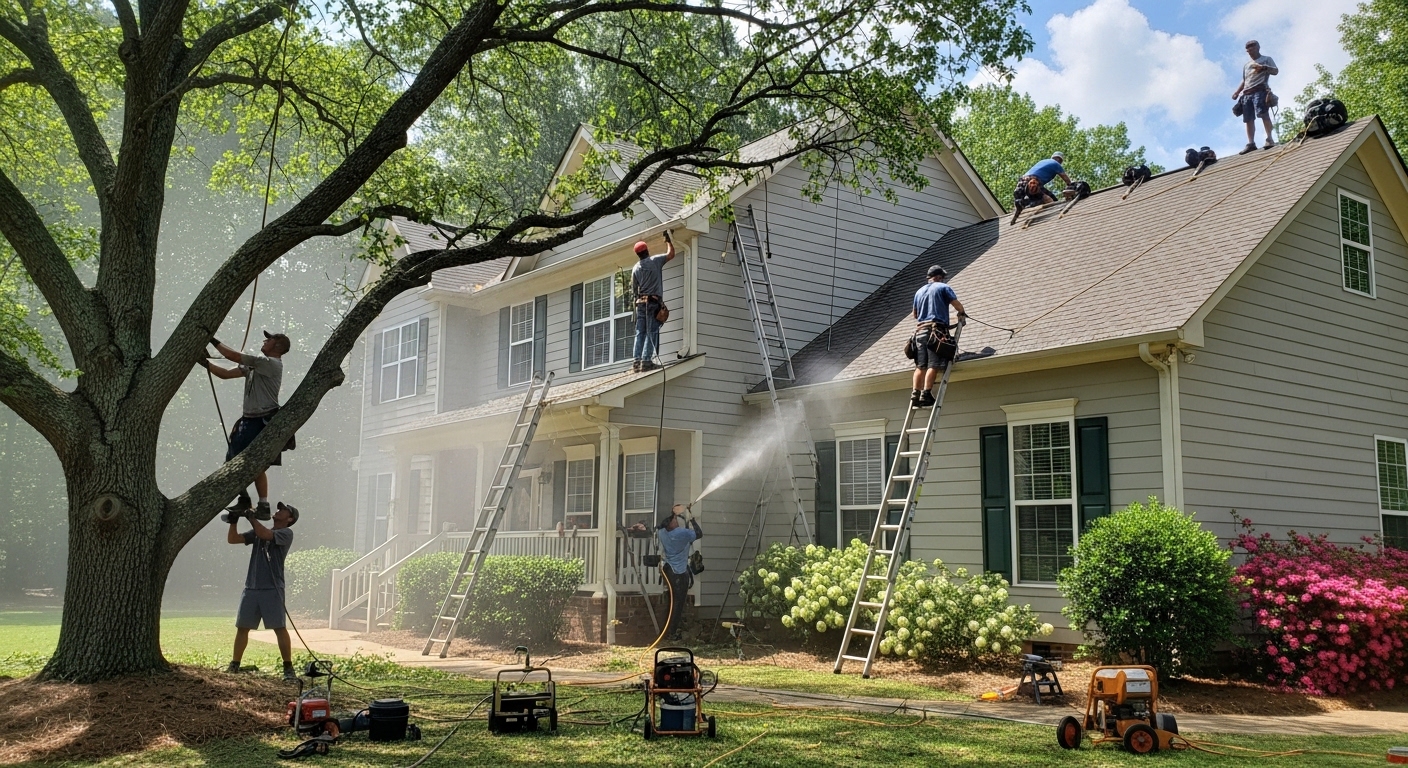
You don’t necessarily have to climb a ladder yourself—honestly, I’m not a fan of heights either. But you do need to make sure the water is flowing. If you’ve got big trees, you might need a professional gutter cleaning twice a year. It’s way cheaper than replacing a rotted roof deck. While someone’s up there, have them check for loose shingles or popped nails.
Soft Washing (Not Power Washing!)
Here’s a pro tip: be careful with power washers. I’ve seen people blast the granules right off their shingles or force water behind their siding with a high-pressure nozzle. For our Mississippi mildew, “soft washing” with a gentle chemical solution is much better. It kills the spores without murdering your house.
Actionable Tips: Your Mississippi Maintenance Checklist
Here’s the “nitty-gritty” list of what I’d be doing if I were coming over to help you out:
- Clean those gutters: Do it after the leaves fall in November and after the pollen/tassels drop in the spring.
- Check the “Pipe Boots”: Those rubber seals around the pipes sticking out of your roof? They dry out and crack in our sun long before the shingles do. They’re a $20 part that causes $2,000 in damage.
- Trim the branches: If a tree is touching your house, it’s a bridge for squirrels and ants, and the shade keeps your roof from drying out. Keep ’em at least 3-5 feet back.
- Inspect the caulk: Check around your windows and doors. If it feels like a dried-out cracker, scrape it out and put in some high-quality silicone.
- Watch the “Mow Line”: Make sure your mulch or dirt isn’t touching your siding. You want a couple of inches of foundation showing to keep the bugs at bay.
- Check the Deck: If you have an outdoor deck, see if water still beads on the wood. If it soaks in, it’s time for a fresh coat of sealer before the humidity gets to it.
FAQ: The Stuff People Usually Ask Me
“How often should I actually have my roof inspected?” Honestly? Once a year is great, but definitely after any major storm with 50+ mph winds. Mississippi wind can “lift” shingles without blowing them off, which breaks the sealant strip.
“Is that moss on my roof really a big deal?” Yes and no. It looks “charming” in photos of English cottages, but in Mississippi, it holds moisture against your roof and can lift shingles. It’s best to get it treated before it grows roots.
“What’s the best siding for our humidity?” A lot of folks around here swear by fiber cement (like Hardie Board). It doesn’t rot like wood and it doesn’t melt or crack like old vinyl can in our extreme heat. But even the best siding needs a good wash every now and then.
Conclusion: Take it One Step at a Time
At the end of the day, your home is probably your biggest investment. But more than that, it’s where you live your life. It’s the place where you host the Thanksgiving dinner or finally sleep through the night after a long week. It deserves a little TLC.
Don’t feel like you have to do everything today. Start with the “walk-around.” See what’s going on up there. If you realize your roof has seen better days or those gutters are starting to look like a small forest, don’t sweat it. There are folks who do this for a living and love helping neighbors keep their homes in tip-top shape.
Ready to give your home a little bit of love? If you’re looking at that to-do list and thinking, “I’d rather be fishing,” I totally get it. Why not have a pro take a look? Whether you need a quick roof check-up or a full exterior refresh, it’s always better to catch things early.
You’ve worked hard for your home—let’s make sure it stays beautiful for years to come.
What’s the one area of your house that’s been nagging at you lately? The roof, the siding, or maybe those overflowing gutters?