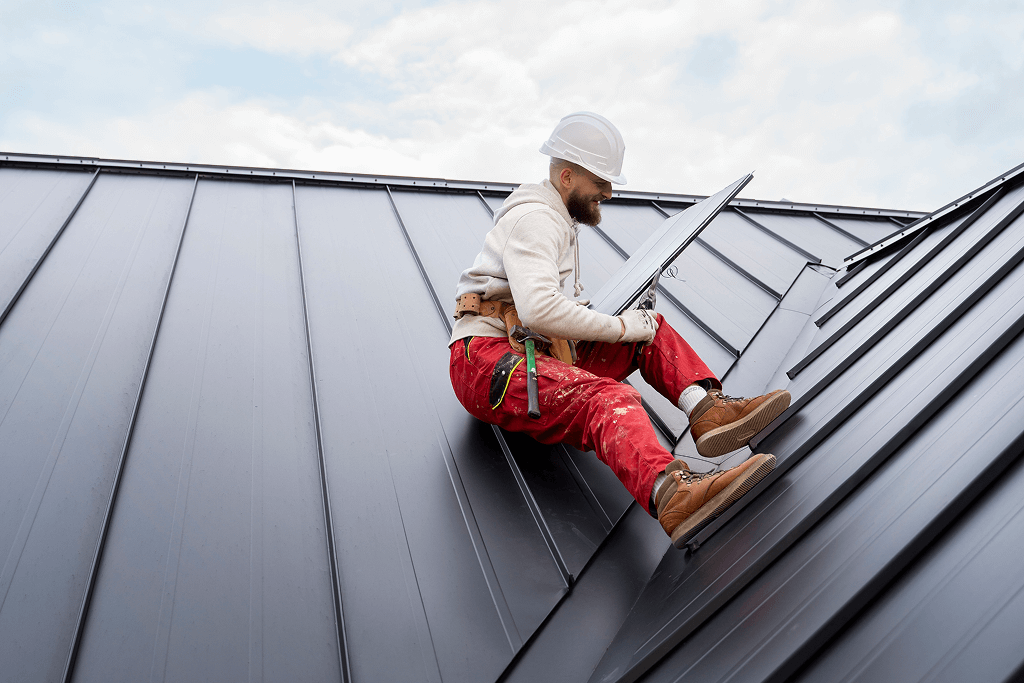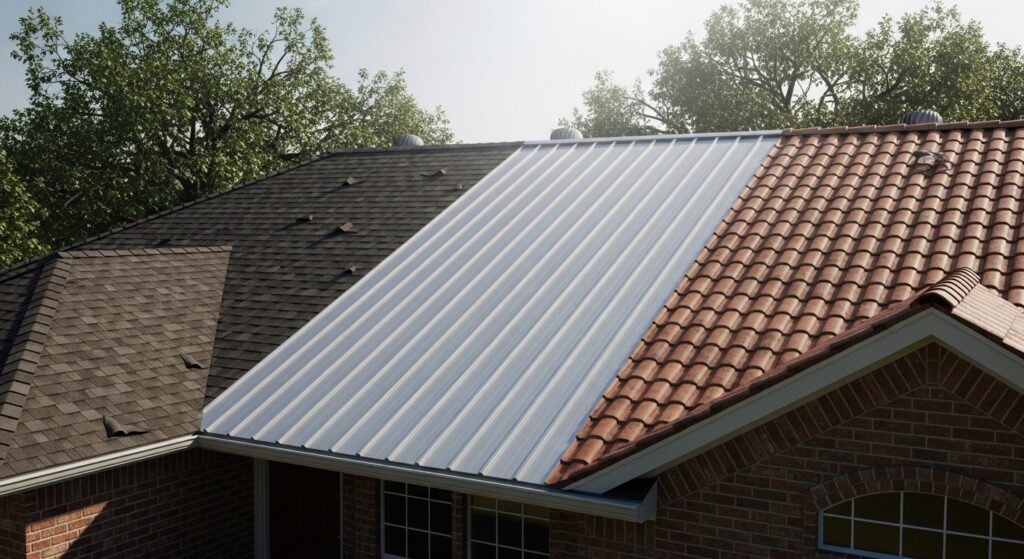

Installing solar over a roof that soon needs replacement can create a second project: disconnecting, removing, storing, and reinstalling the array so roofing work can proceed. Replacing a serviceable roof too early also has a cost.
The decision should be based on a roof assessment, the solar design, warranties, equipment ownership, and coordinated contracts—not a sales deadline or incentive claim.
Key point: Installing solar over a roof that soon needs replacement can create a second project: disconnecting, removing, storing, and reinstalling the array so roofing work can proceed. Replacing a serviceable roof too early also has a cost.
Start With Roof Age and Condition
Review installation records, material, repairs, leaks, deck condition, flashing, ventilation, and remaining serviceability. Age alone does not prove replacement is necessary, but advanced wear or recurring leaks deserve resolution before panels limit access.
Understand Detach and Reset
Ask the solar provider who may disconnect and reinstall the system, what it costs, whether storage is included, how long it takes, and which electrical inspections or utility steps apply. Roofing contractors should not perform electrical work outside their qualifications.
Coordinate Attachment and Flashing
Solar mounts penetrate or attach to the roof assembly using system-specific hardware and flashing. The roofer and solar installer should agree on locations, waterproofing responsibilities, deck condition, access paths, and documentation before installation.
Read Both Warranties
Roof, workmanship, material, racking, panel, inverter, and installation warranties may be issued by different parties. Ask how solar affects roof coverage, who responds to a leak near an attachment, and whether an approved contractor is required.
Sequence the Projects
If replacement is justified soon, completing it before solar often avoids duplicate labor. If the roof remains serviceable, the owner may proceed with documented planning for future removal. Partial replacement only under the array can create transitions and color differences that need careful evaluation.
Questions for Both Contractors
Ask for roof assessment findings, expected project life assumptions, attachment plan, roof and solar responsibilities, permits, wind criteria, detach/reset terms, damage reporting, leak response, equipment ownership, and final photo records.
A Practical Houston Decision Checklist
Before approving work or relying on a recommendation, connect the visible symptom to the actual building condition, product documents, applicable requirements, and written scope. Houston heat, humidity, sudden downpours, wind-driven rain, and storm exposure can magnify a weak detail, but climate alone does not prove a particular repair is necessary.
- Document the current condition with dated notes and photographs from safe locations.
- Confirm the exact product, assembly, property address, and responsible professional.
- Compare written scopes that identify preparation, repairs, exclusions, and change-order procedures.
- Keep permits, inspections, warranties, invoices, and completion records together.
- Avoid guarantees about code, insurance, energy savings, lifespan, or performance that are not supported in writing.
Frequently Asked Questions
Can solar panels be installed on an older roof?
Possibly, but the roof condition, remaining serviceability, deck, material, attachment, warranty, and future removal cost should be evaluated first.
Will Tekton disconnect solar panels?
Electrical and solar work must be handled by the appropriate qualified provider. Confirm coordination responsibilities for the specific project.
Do solar mounts automatically void a roof warranty?
Terms vary. Review the roof and solar warranties and obtain written clarification before installation.
Related Tekton Resources
Need a property-specific assessment? Request an evaluation from Tekton Exteriors. Recommendations depend on the building, conditions, applicable requirements, and written project scope.