
A responsible siding estimate cannot be reduced to one citywide price per square foot. Houston homes vary in stories, wall shape, brick transitions, openings, trim, access, existing layers, and hidden moisture conditions.
This guide explains what drives a quote without publishing an unverified bait-price range. Current material and labor pricing should be confirmed through a property-specific scope.
Key point: A responsible siding estimate cannot be reduced to one citywide price per square foot. Houston homes vary in stories, wall shape, brick transitions, openings, trim, access, existing layers, and hidden moisture conditions.
Measure the Real Project Scope
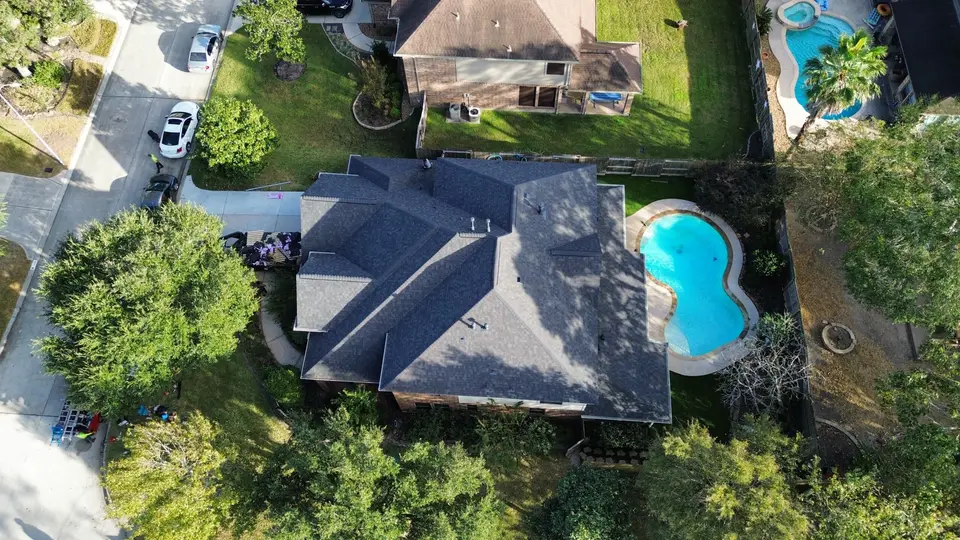
Wall area is only the start. Gables, dormers, stories, chimneys, porches, narrow access, windows, doors, electrical penetrations, and transitions increase layout and labor. The estimate should say which elevations, soffit, fascia, trim, and accessories are included.
Material and Finish Choices
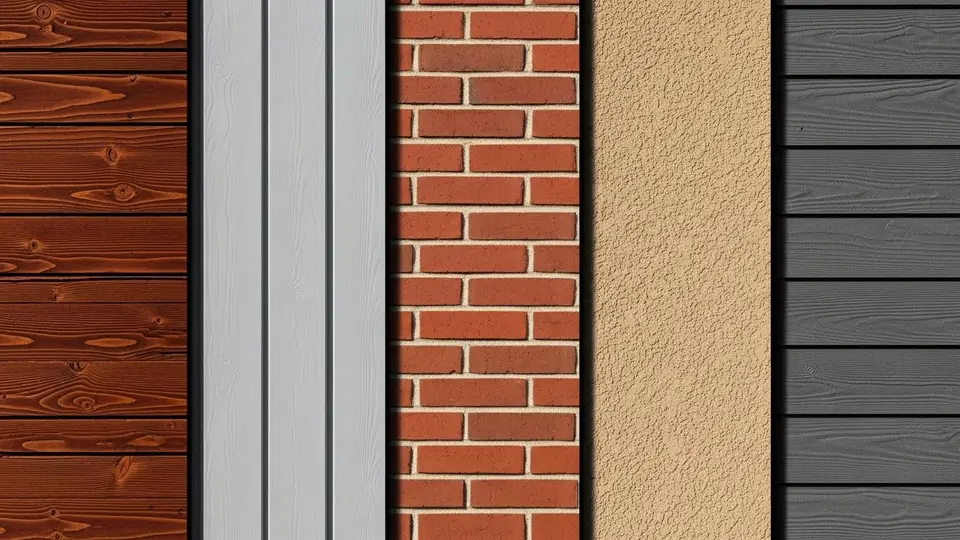
Fiber cement, engineered wood, vinyl, trim systems, profiles, factory finishes, and field-applied paint have different material and installation requirements. Compare the complete wall system, not just the visible panel price.
Removal and Disposal
Tear-off exposes the condition of sheathing, framing transitions, flashing, and water-resistive layers. Multiple siding layers, lead-safe requirements where applicable, tight staging, and disposal volume can change cost.
Hidden Repairs
Soft sheathing, rot, insect damage, failed flashing, or deteriorated trim may only become visible after removal. A good contract explains allowances, documentation, approval, and unit pricing or change-order procedures rather than pretending concealed conditions cannot exist.
Moisture and Opening Details
Window and door flashing, roof-to-wall intersections, kick-out flashing, clearances, penetrations, and drainage-plane integration protect the investment. Skipping these details can create a lower quote and a more expensive future problem.
How to Compare Houston Siding Quotes
Compare product, profile, thickness, finish, trim, removal, wall preparation, flashing, sealants, paint, cleanup, warranty responsibilities, exclusions, and payment schedule. Ask each contractor to price the same scope before choosing by total alone.
Frequently Asked Questions
Can I get an accurate siding price without a site visit?
A rough discussion is possible, but access, elevations, openings, removal, and concealed-condition risk require measurement and inspection for a useful proposal.
Is fiber cement always more expensive than vinyl?
Initial material and labor often differ, but profile, trim, finish, repairs, access, and project scope can change the comparison.
Should a quote include sheathing repair?
It should explain how visible and concealed repairs will be documented, priced, and approved, even when the exact quantity is unknown.