
The Morning the Drip Started: A Roofing Reality Check
I remember sitting in my kitchen a few years back, nursing a lukewarm coffee, when I heard it. Drip. Pause. Drip. I looked up, and there it was—a small, tea-colored circle forming right above my favorite breakfast nook.
My heart sank. Honestly, as a homeowner, that’s one of the most gut-wrenching sounds there is. It’s not just about the water; it’s the immediate realization that my “to-do” list just got a whole lot more expensive and complicated. I spent the next hour frantically Googling things like “patch vs. replace” and “how much does a roof even cost?”
It felt overwhelming. If you’re reading this, you’re probably in that same boat—maybe staring at a water stain, or perhaps you’ve just noticed your shingles look like they’ve seen better decades. You want to know the process & what you’ll pay without the corporate fluff.
Look, I’m not going to sugarcoat it: a roof replacement is a big deal. It’s loud, it’s messy, and it’s a significant investment. But it’s also the one thing keeping your family (and your drywall) dry. Let’s pull back the curtain on how this actually works, so you can stop worrying about the rain and start feeling like the expert in your own home. (And hey, if you’re already at the “I need professional help” stage, you can always request a quote to get a head start).
Breaking Down the Process & What You’ll Pay
Getting a new roof isn’t just about slapping some new shingles over the old ones (at least, it shouldn’t be). It’s a multi-stage operation that transforms the very top of your house. Here’s what the journey looks like from start to finish.
The Inspection: More Than Just a Glance
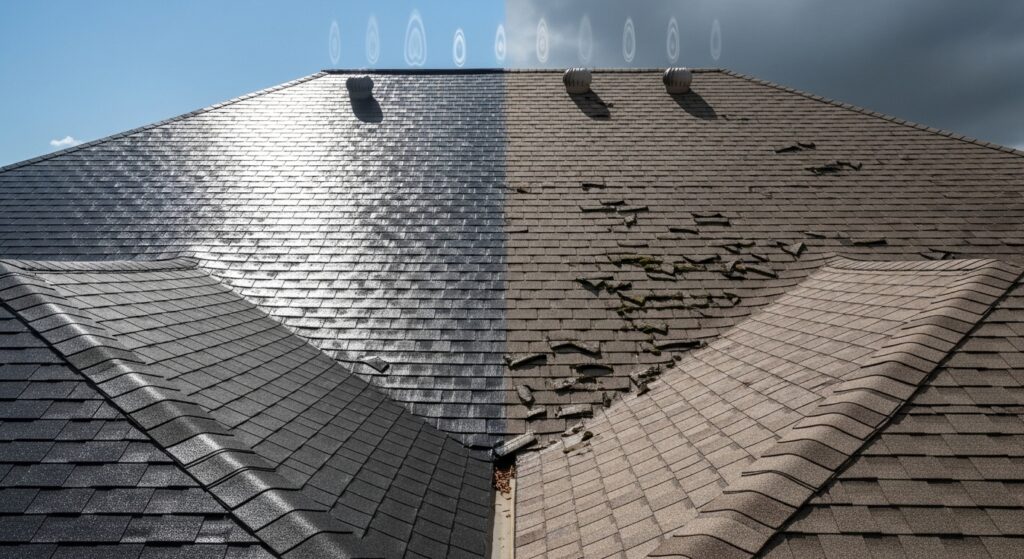
Before a single hammer swings, someone needs to actually get up there. A real pro won’t just look from the driveway with binoculars. They’re looking for soft spots in the decking, checking the flashing around your chimney, and seeing if your ventilation is actually doing its job.
I’ve seen folks skip a thorough inspection only to find out halfway through the job that their plywood is rotted through. That’s a “change order” you don’t want. It’s better to know the truth upfront.
The Tear-Off: The Messy Middle
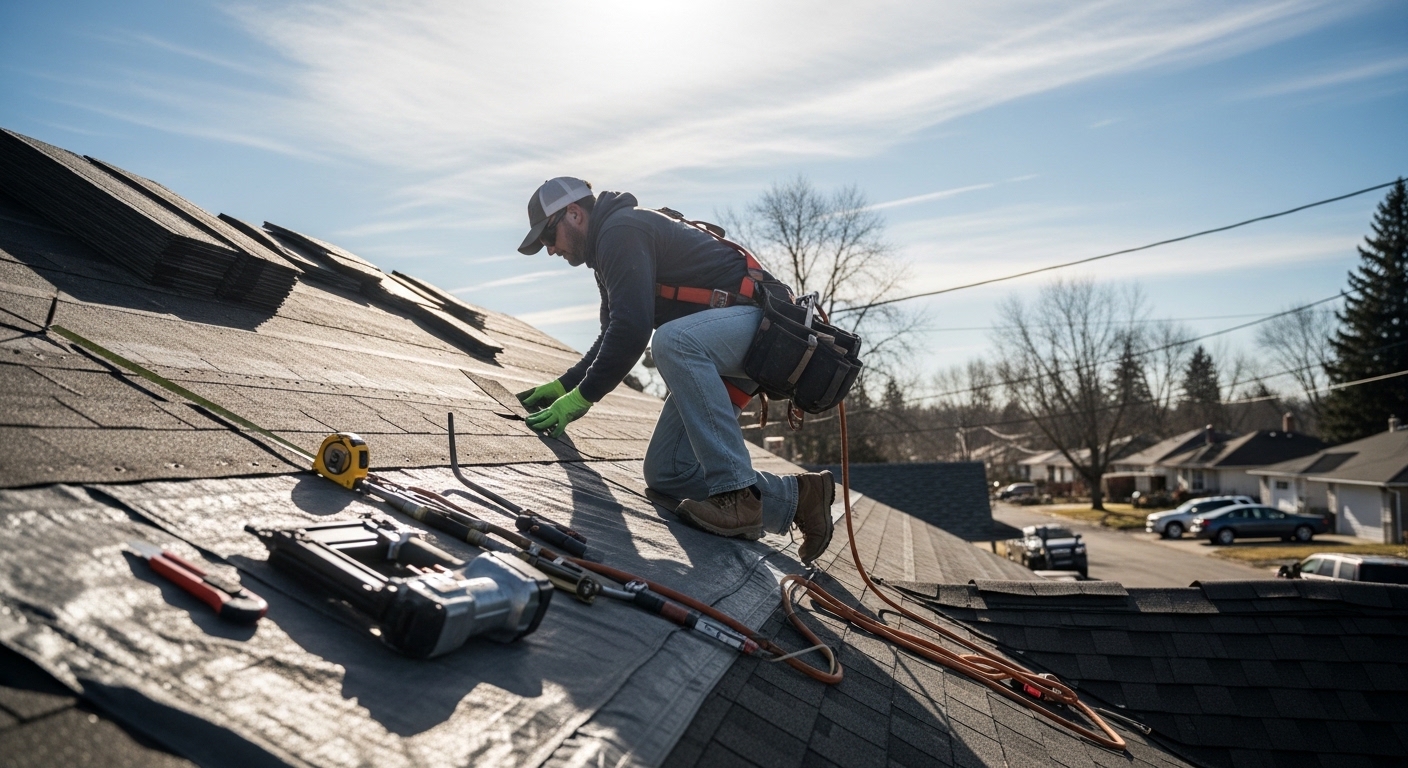
This is the part most people aren’t ready for. To do it right, the crew has to strip your house down to its “bones.” They’ll rip off every old shingle, every nail, and the old underlayment.
It’s loud. It’s dusty. It looks like a shingle bomb went off in your yard. But a good crew will use “catch-alls” or tarps to protect your landscaping. Honestly, if you have a dog that’s sensitive to noise, this might be the day for a puppy playdate elsewhere.
The Build-Back: Putting it Together
Once the deck is clean, the layering begins.
- Drip Edge: To keep water from wicking under your shingles.
- Ice and Water Shield: Critical for those tricky valleys where water loves to pool.
- Underlayment: The “backup” layer that keeps things dry if a shingle ever blows off.
- Shingles: The stars of the show.
What You’ll Actually Pay (The Numbers)
I know, this is the part you probably scrolled down to find. Let’s talk turkey. In the current market, a standard architectural shingle roof for an average-sized home usually lands somewhere between $10,000 and $20,000.
But—and this is a big but—that range shifts wildly based on a few things:
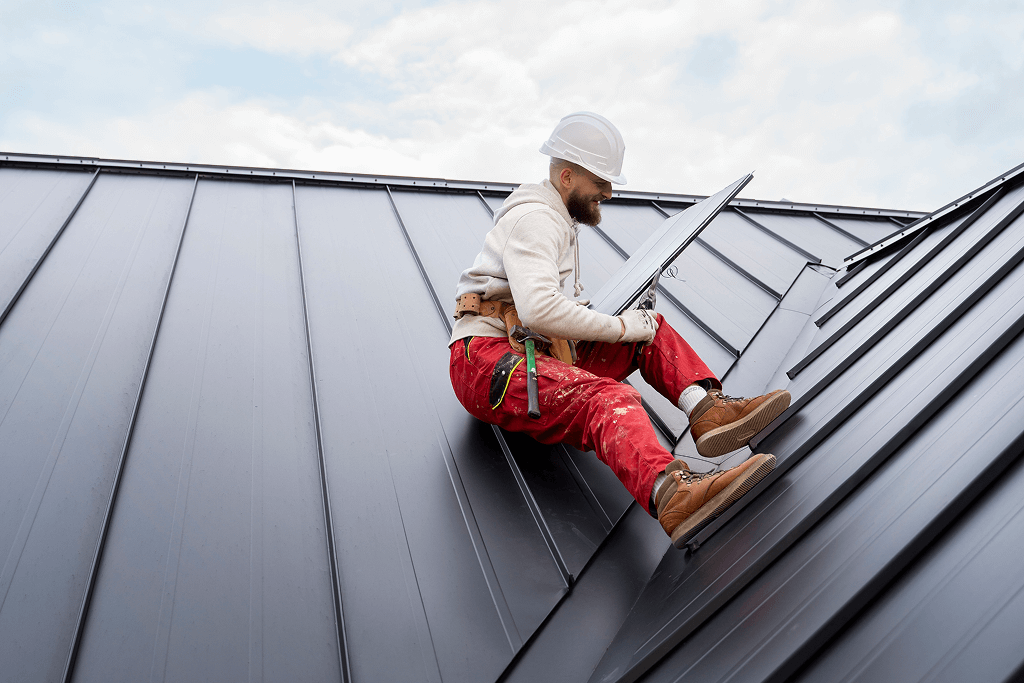
- Materials: Basic 3-tab shingles are cheaper; high-end premium roofing shingles or metal will cost more upfront but last much longer.
- Pitch: If your roof is steep enough to require mountain climbing gear, the labor cost goes up.
- Complexity: Lots of gables, skylights, and chimneys mean more detail work.
- Waste: Not every shingle fits perfectly; a complex roof has more “cut-off” waste.
Expert Insights: The Stuff Your Contractor Might Not Mention
After years of seeing projects go right (and a few go sideways), here’s what I’ve learned from the inside.
Don’t Obsess Over the “Lowest Bid”
I’ve seen it happen: a homeowner chooses the bid that’s $3,000 cheaper than everyone else. Six months later, they’re calling us because their reliable roof repairs in Texas weren’t so reliable.
Usually, that low price means they’re cutting corners on the “invisible” stuff—like using cheap underlayment or reusing old flashing. A roof is only as good as its weakest seal. If a price seems too good to be true, ask yourself what’s missing.
The “Decking” Wildcard
Here is a pro tip: always ask your contractor what the price is per sheet of plywood if they find rot. Most estimates include a couple of sheets, but if your whole roof deck is soft, you need to know that cost before the shingles are off. It prevents that mid-project “sticker shock.”
Ventilation is the Secret Sauce
You can buy the most expensive shingles in the world, but if your attic is a sauna, you’ll cook them from the inside out. I’ve seen 30-year shingles fail in 10 years because the house couldn’t breathe. Ensure your contractor is looking at your ridge vents and soffits, not just the shingles.
Practical Application: How to Handle Your Replacement
So, you’re ready to pull the trigger. How do you make this as painless as possible?
- Move Your Cars: Do it the night before. You don’t want to be blocked in by a dumpster or delivery truck when you’re trying to get to work.
- Protect the Attic: Cover any valuables in your attic with plastic sheets. Dust will fall through the cracks during the tear-off.
- Talk to the Neighbors: Just a quick “Hey, it’s going to be loud for two days” goes a long way. It’s just being a good human.
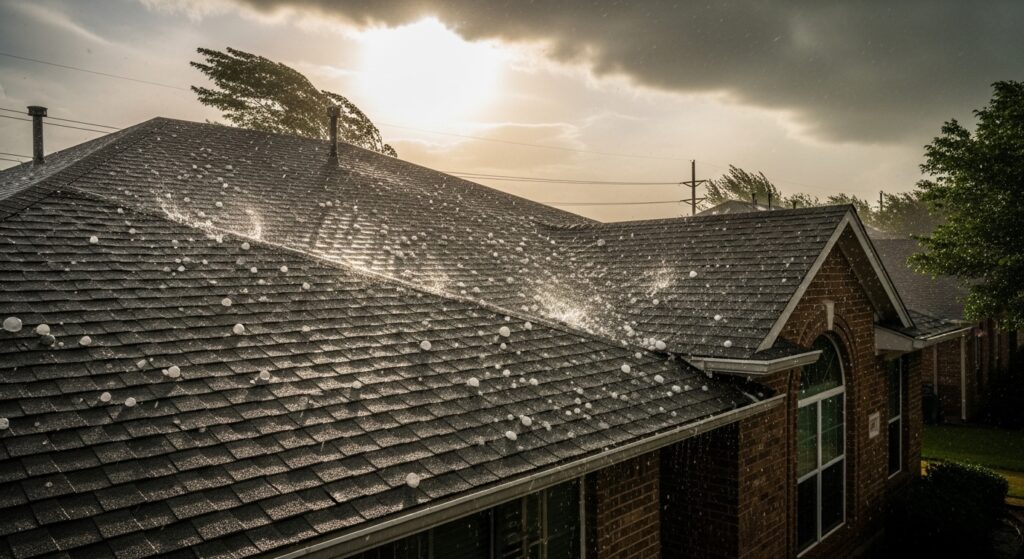
- Verify Insurance: If you’re replacing due to a storm, check if you need insurance claim assistance. Sometimes the paperwork is harder than the actual roofing!
Frequently Asked Questions
How long does it actually take? For most average homes, the crew is in and out in 1 to 3 days. If it takes longer than a week (and the weather is clear), something might be wrong.
Can I stay in the house during the work? Yes, but you’ll probably want to leave for a few hours. The pounding is constant, and it can be a bit much if you’re trying to take Zoom calls or if you have a napping toddler.
What happens if it rains during the project? Pro crews watch the radar like hawks. They only tear off what they can dry-in (cover with underlayment) before the clouds open up. If a surprise shower hits, they have giant tarps ready to go.
Bringing it All Back Home
Remember that tea-colored stain in my kitchen? It ended up being a full replacement. It wasn’t the way I wanted to spend my summer savings, but the peace of mind I felt during the next big thunderstorm was worth every penny. No more buckets, no more worrying, just a solid roof over my head.
A roof replacement is more than just a construction project; it’s an investment in your home’s future and your own sanity. Now that you understand the process & what you’ll pay, you’re in the driver’s seat.
You don’t have to navigate this alone. Whether you’re just starting to see signs of wear or you’re ready for a new roof installation, we’d love to help you get it right the first time.
Want to see where your roof stands? We can give you a clear, honest look at your home’s exterior. Get started with a free estimate today, and let’s make sure that “drip” is a thing of the past.