The Knock on the Door You Should Probably Ignore
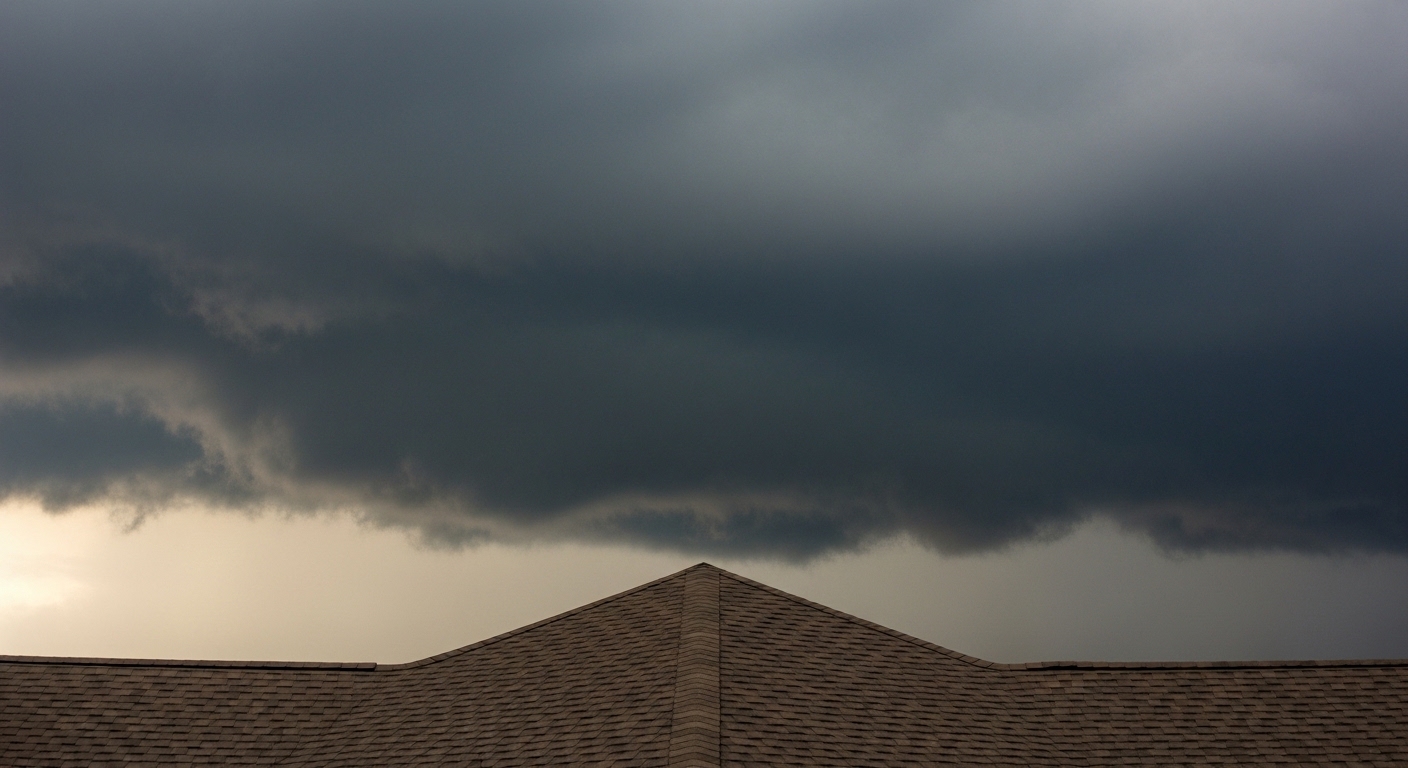
It was a Tuesday afternoon in Harris County, just two days after one of those legendary Texas hailstorms had rattled every window in the neighborhood. My friend Sarah was in her kitchen, still mentally calculating the deductible on her homeowner’s insurance, when there was a confident rap at the front door.
Standing there was a guy in a crisp polo shirt with a clipboard and a smile that felt just a little too practiced. “Hey there! I’m with [Generic Roofing Name], and we’re doing a few free inspections on your block today. I noticed some missing shingles from the street. If you sign this authorization, I can get up there and handle the insurance claim for you. You won’t even have to pay your deductible!”
Sarah, feeling overwhelmed and wanting the problem to just go away, almost reached for the pen. But then she remembered a story she’d heard about a neighbor who did exactly that—only to have the “contractor” vanish with the first insurance check, leaving behind a half-stripped roof and a disconnected phone number.
She didn’t sign. And honestly? That was the smartest move she could’ve made. Because in the world of Texas roofing, that “free” offer is often the first step into a very expensive nightmare.
Why the Wild West Needs a Sheriff (Or at Least a Sharp Homeowner)
Here’s a hard truth: Texas is one of the few states that doesn’t require roofing contractors to be licensed at the state level. Let that sink in for a second. In many parts of the state, literally anyone with a ladder and a truck can call themselves a “pro.”
Because of this, knowing how to vet a roofing contractor in Texas isn’t just a good idea—it’s your only real line of defense. When a storm hits, “storm chasers” from out of state flood the area. They’re looking for quick volume, not quality. They want to get in, get the insurance money, and get out before the leaks start appearing six months later.
But don’t get me wrong. There are incredible, hardworking local roofers who care deeply about their reputation. The trick is telling them apart from the guys who are just chasing the next hail-damaged zip code.
The Red Flags: How to Spot a “Storm Chaser” from a Mile Away
Look, I’m not saying everyone who knocks on your door is a scammer. But if they lead with certain phrases, your “spidey sense” should be tingling.
“We’ll Pay Your Deductible”
This is the big one. In Texas, it is actually illegal for a contractor to waive or “absorb” your insurance deductible. It’s considered insurance fraud. If a guy tells you he can “work the numbers” so you pay zero out of pocket, he’s asking you to participate in a crime. Plus, if he’s willing to cheat the insurance company, what makes you think he won’t cheat you on the quality of your new roof installation?
High-Pressure “Sign Now” Tactics
If they tell you the offer is only good for the next hour, or that they have a “limited slot” in their schedule that requires an immediate signature on a “contingency agreement,” walk away. A reputable company will give you time to think, check their references, and breathe.
The Vanishing Local Office
Ask where their office is. If it’s a P.O. Box or a hotel room, that’s a problem. You want someone who has a physical footprint in the community. Someone who will actually be around next year if a storm damage repair they did starts acting up.
The “Must-Ask” Questions: Your Vetting Script
When you sit down with a potential contractor, don’t be afraid to grill them. A pro will appreciate your diligence because they know they have the right answers. Here’s what you should be asking over that kitchen table:
1. “Can I see your Certificate of Insurance (COI)?” Don’t just take their word for it. You need to see proof of general liability and workers’ comp. If a worker falls off your roof and the company isn’t insured, that’s potentially on your homeowner’s policy.
2. “Are you a member of any professional organizations?” Since Texas doesn’t license, look for memberships in the Roofing Contractors Association of Texas (RCAT). They offer a voluntary licensing program that requires actual testing and proof of financial stability. It’s a great way to separate the pros from the amateurs.
3. “Who will be my point of contact during the job?” You don’t want to be playing phone tag with a national call center. You want the name and number of the person who will be standing in your driveway.
4. “Do you offer a workmanship warranty?” There’s a difference between the manufacturer’s warranty on the shingles and the contractor’s warranty on the labor. If they don’t stand behind their installation for at least a couple of years, that’s a massive red flag.
Expert Insights: What the “Pro” Won’t Always Volunteer
After years in the industry, I’ve noticed a few things that homeowners rarely think to check, but they make all the difference in the world.
The “Sub-Contractor” Secret
Many large roofing companies don’t actually have employees who do the roofing. They hire crews of sub-contractors. This isn’t necessarily bad, but you need to know who is actually on your roof. Ask the company how long they’ve worked with their specific crews. Consistency equals quality.
The Importance of a Detailed Estimate
If the estimate is just a single number on a piece of paper, run. You want a line-item breakdown. How much for the roofing shingles? How much for the flashing? Are they replacing the felt paper or using a synthetic underlayment? This protects you from “hidden costs” later on.
The “Lowest Bid” Trap
Honestly, I’ve seen it happen too many times. A homeowner picks the guy who is $2,000 cheaper than everyone else. Six months later, the ceiling is leaking, the contractor’s phone is disconnected, and they end up paying another $4,000 to fix the “cheap” work. In roofing, you almost always get what you pay for.
Practical Application: Your 3-Step Action Plan
So, you’ve got a leak or some hail damage. Here is exactly what you do next:
- Do Your Homework First: Before calling anyone, check the Better Business Bureau (BBB) and read Google reviews. Look specifically for how they handle problems. Every company has a bad day; the great ones fix it.
- Get Three Written Estimates: This gives you a baseline for what the project should actually cost. If one is wildly high or low, you know something is fishy.
- Verify the Paperwork: Call the insurance agent on their COI to make sure the policy is active. It takes five minutes and can save you fifty thousand dollars.
FAQs: Quick Answers for Busy Homeowners
Q: Do I really need a local Texas roofer? A: Yes. Local roofers understand Texas weather—the extreme heat, the humidity, and the wind speeds. Plus, if something goes wrong, you know where to find them.
Q: Should I let a roofer talk to my insurance adjuster? A: It’s actually helpful to have your roofer present during the adjuster’s inspection. They can point out damage the adjuster might miss. Just don’t sign anything that gives them the right to your insurance money before the work is done.
Q: How do I know if I need a full replacement or just a repair? A: A trustworthy contractor will give it to you straight. If your roof is less than 12-15 years old and the damage is localized, reliable roof repairs are often the way to go. If the granules are gone and the shingles are brittle, it’s replacement time.
Wrapping It Up: Trust Your Gut
Back to Sarah. She ended up calling a local company that had been in town for twenty years. They didn’t offer to “eat” her deductible, but they did give her a 10-page inspection report with photos of every single issue. They explained the process, showed her their insurance, and didn’t pressure her to sign a thing.
When the job was done, her yard was clean, her roof looked incredible, and most importantly—she had peace of mind.
Look, your home is likely your biggest investment. Don’t hand the keys to its protection over to the first person who knocks on your door. Take your time, ask the hard questions, and choose a partner who values your home as much as you do.
If you’re feeling overwhelmed by the process or just need a second opinion on some “storm damage,” we’re here to help. No high-pressure sales, just honest advice from people who live and work right here in Texas.
Contact us for a free, honest inspection—let’s make sure your home is ready for whatever the Texas sky throws at it next.
Would you like me to look up the specific roofing requirements or permit rules for your specific city in Texas to see if there’s anything extra you need to know?