
The “Everything Looks Fine” Trap
You know that feeling of relief when a massive Texas thunderstorm finally rolls out? You step onto your porch, look up at the roof, see that the shingles are still there, and think, “Phew, we dodged a bullet.” Honestly, I hate to be the bearer of bad news, but that “visual check” from the driveway is where most homeowners get into trouble. Storm damage isn’t always a fallen tree or a missing section of siding. More often than not, it’s a silent, creeping issue that waits six months to show its face—usually in the form of a massive mold bill or a ceiling that decides to start dripping during Thanksgiving dinner.
If you’re sitting there wondering if your home actually made it through the last round of hail and wind unscathed, you’re in the right place. We’re going to dig into the stuff that isn’t obvious. The stuff that adjusters sometimes miss and that “storm chasers” don’t bother looking for. Because here’s the thing: catching this now is the difference between a simple roof repair and a full-blown structural headache later.
Why Hidden Damage is a Ticking Time Bomb
The problem with “hidden” damage is that your home is designed to be a sealed system. When a storm compromises that seal—even just a tiny bit—it starts a chain reaction.
Think about hail. When a golf-ball-sized hailstone hits an asphalt shingle, it doesn’t always crack it in half. Sometimes it just knocks off the protective granules. You won’t see a hole, but that shingle now has a “bald spot” exposed to the brutal Texas sun. Give it a few months, and that spot will bake, brittle, and eventually leak.
But it’s not just the roof. Wind can create “uplift” that breaks the seal of your shingles without blowing them off. To you, the roof looks perfect. To the rain, it’s an open invitation to seep underneath and rot your decking. By the time you see a water stain on your drywall, the wood underneath has likely been soaking for weeks.
The Root Causes: Why We Miss the Signs
Look, I get it. We’re all busy. Unless there’s water coming through the light fixtures, we assume everything is fine. But there are a few misconceptions that keep homeowners from spotting the real issues:
- The “No Leak, No Problem” Myth: A roof can be fundamentally damaged and not leak for a year.
- The “Driveway Inspection” Habit: You can’t see “bruised” shingles from 30 feet below. You just can’t.
- The Gutter Ignorance: Most people think gutters are just for rain. In reality, they are the “black box” of your roof’s health. If they’re full of shingle granules after a storm, your roof just lost five years of its life.
5 Signs of Hidden Damage You Need to Look For
Let’s get into the nitty-gritty. If you want to know if you actually need insurance claim assistance, keep an eye out for these five red flags.
1. The “Shadow” Dents on Your Gutters and Downspouts
Don’t just look at the shingles. Look at the metal. Gutters are softer than roofing materials. If you see tiny, dimpled dents on the top or sides of your gutters, that’s proof of hail impact. If it hit the metal hard enough to leave a mark, it definitely hit your shingles hard enough to cause damage.
2. Popped Nails in the Attic
Grab a flashlight and head into the attic (carefully!). Look at the underside of your roof deck. If you see nails that look like they’ve been pushed back out, or if you see daylight where you shouldn’t, your roof has suffered from wind uplift. The shingles “flapped” during the storm, breaking the seal and pulling the nails.
3. Granule “Sand” in the Downspouts
After the next rain, check the area where your downspouts drain. Do you see a pile of what looks like heavy, dark sand? Those are the granules from your shingles. Excessive granule loss means your shingles have lost their UV protection and are now vulnerable to the sun.
4. Splitting or “Crazing” on Window Wraps
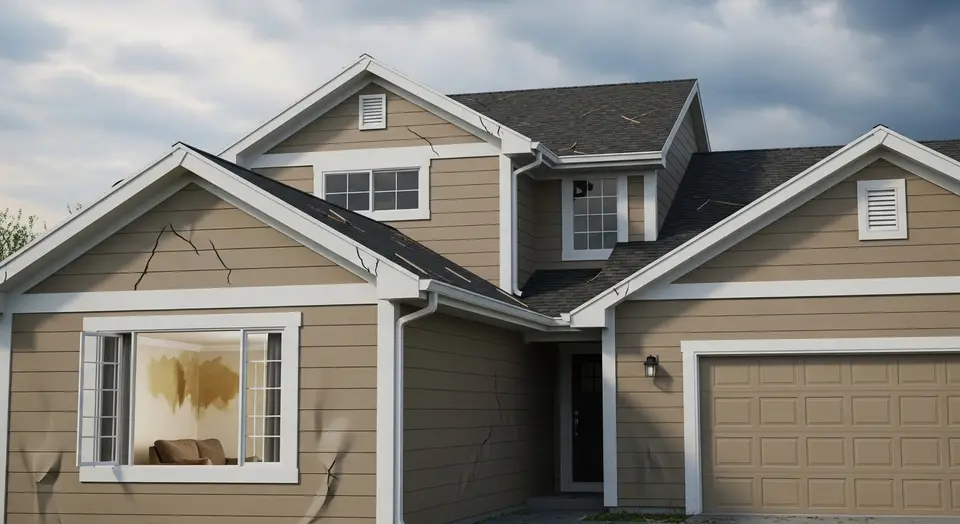
Check the metal or plastic trim around your windows. Hail often leaves “crazing” marks—tiny spiderweb cracks—or actual splits in the vinyl siding. This is a huge sign of high-velocity impact that likely affected the rest of the exterior.
5. Sudden Cracks in Interior Drywall
This one sounds weird, right? But high winds put immense pressure on a house’s frame. If you notice new cracks appearing over doors or in the corners of your ceiling right after a storm, it might not be “settling.” It could be structural stress from the wind.
Actionable Tips: How to Protect Your Home Right Now
Okay, here’s the “to-do” list. Honestly, if you do even three of these, you’re ahead of 90% of your neighbors.
- Do the “Collateral” Walk: Walk around your house and look at the “soft” stuff: window screens (for tears), plastic vents (for cracks), and your AC unit (for flattened fins). These are the breadcrumbs that lead to a successful claim.
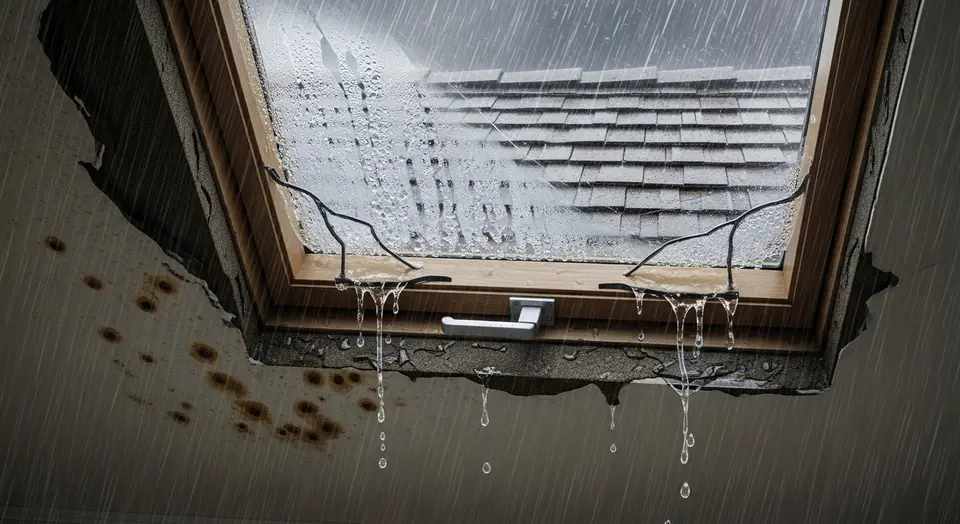
- Check Your Energy Bill: If you have skylight installation or older windows, storm-related seal failure can cause your AC to work harder. A random spike in your bill could mean a hidden leak in your home’s “envelope.”
- Phone a Friend (A Professional One): Get a pro to do a real inspection. Most reputable Texas contractors offer free inspections. They have the gear to get on the roof safely and the trained eye to see the “bruises” you’ll miss.
- Photograph the Hail: If it’s still on the ground, put a quarter next to a piece of hail and take a photo. It’s undeniable proof for your insurance company later.
- Don’t Wait for the Drip: If you suspect damage, file a “notice of loss” with your insurance. You don’t have to push the claim through immediately, but getting it on the record protects you.
- Clean the Gutters: It’s a chore, I know. But while you’re up there, look for those granules. It’s the easiest way to gauge roof wear.
FAQ: What Homeowners Ask Me Most
Q: My roof is only 3 years old. Can hail really hurt it? A: Absolutely. In fact, newer shingles can sometimes be more susceptible to granule loss because the asphalt is still soft. Age doesn’t protect you from impact.
Q: The insurance adjuster said it’s “just cosmetic.” What do I do? A: “Cosmetic” is a favorite word for insurance companies to avoid paying. But in Texas, if the granules are gone, the shingle’s function is compromised. This is when you need a contractor to advocate for you during a re-inspection.
Q: How long do I have to file a claim for storm damage repair? A: Most policies give you one year, but check your specific policy. The sooner you do it, the easier it is to prove the damage was caused by that specific storm and not just general aging.
The Bottom Line: Trust Your Gut, Not Just Your Eyes
At the end of the day, your home is likely your biggest investment. Letting a “minor” storm issue turn into a major structural problem just isn’t worth the risk.
If you’ve walked around your house and something just feels… off—or if you saw any of the signs we talked about above—don’t just cross your fingers and hope for the best.
Whether you need a full roof replacement or just the peace of mind that comes with a “clean bill of health,” we’re here to help. We’ve been helping folks across Texas navigate the messy aftermath of our weather for years.
If you’re ready for a real, honest look at your home’s exterior—no pressure, just expertise—request a quote or give us a shout. Let’s make sure those “hidden” signs don’t turn into visible headaches.
Stay safe out there.