
The Price of Sunshine: Budgeting for a Brighter Home
Have you ever walked into a room in your house at 2:00 PM and felt like you needed to flip every light switch just to find your coffee mug? It’s a common frustration in older Texas ranch homes or deep suburban builds. You know the solution is up there—literal free light—but the thought of cutting a hole in your perfectly good roof feels… well, a bit terrifying.
Honestly, the biggest hurdle for most homeowners isn’t the fear of a leak (though we’ll talk about that); it’s the mystery of the price tag. You go online and see national averages that say one thing, then you talk to a neighbor in The Woodlands who paid something completely different.
In Texas, we deal with “Lone Star” sized variables: extreme heat that requires high-end glazing, specialized labor for steep roof pitches, and the ever-present threat of spring hail. If you’re sitting there wondering if a skylight is a $1,500 weekend upgrade or a $5,000 major project, you’re in the right place. We’re going to break down How Much Does Skylight Installation Cost in Texas? for 2026, without the corporate fluff.
Prerequisites: What You Need to Know First
Before we talk numbers, we have to look at your “starting line.” Every home is unique, but these three factors will dictate 80% of your quote:
- Roof Material: Are we cutting into standard roofing shingles or something more complex like tile or metal?
- Attic Depth: Is your ceiling flush against the roof, or do we need to build a “light shaft” through a deep attic space?
- Power Needs: Do you want a fixed window, or a solar-powered one that opens to let out the Houston humidity?
Step-by-Step: The Breakdown of Your Installation Bill
Step 1: Choosing the Unit (Materials)
The “window” itself is your first big choice. For a high-quality, Texas-ready unit (think VELUX or Fakro), you’re looking at a wide range.
- Fixed (Doesn’t Open): $400 – $900
- Manual Venting: $600 – $1,200
- Solar Powered Venting: $1,100 – $2,500Pro Tip: In Texas, always opt for Low-E, argon-filled glass. It reflects about 65% of the solar heat. If you go with a cheap plastic dome, your living room will feel like a greenhouse by June.
Step 2: The “Hole” and the Flashing (Roof Labor)
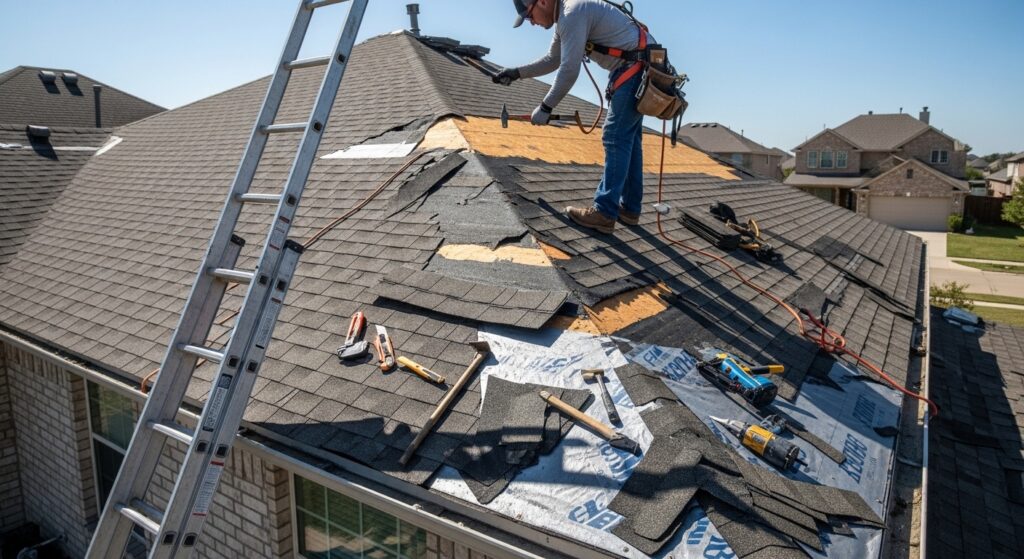
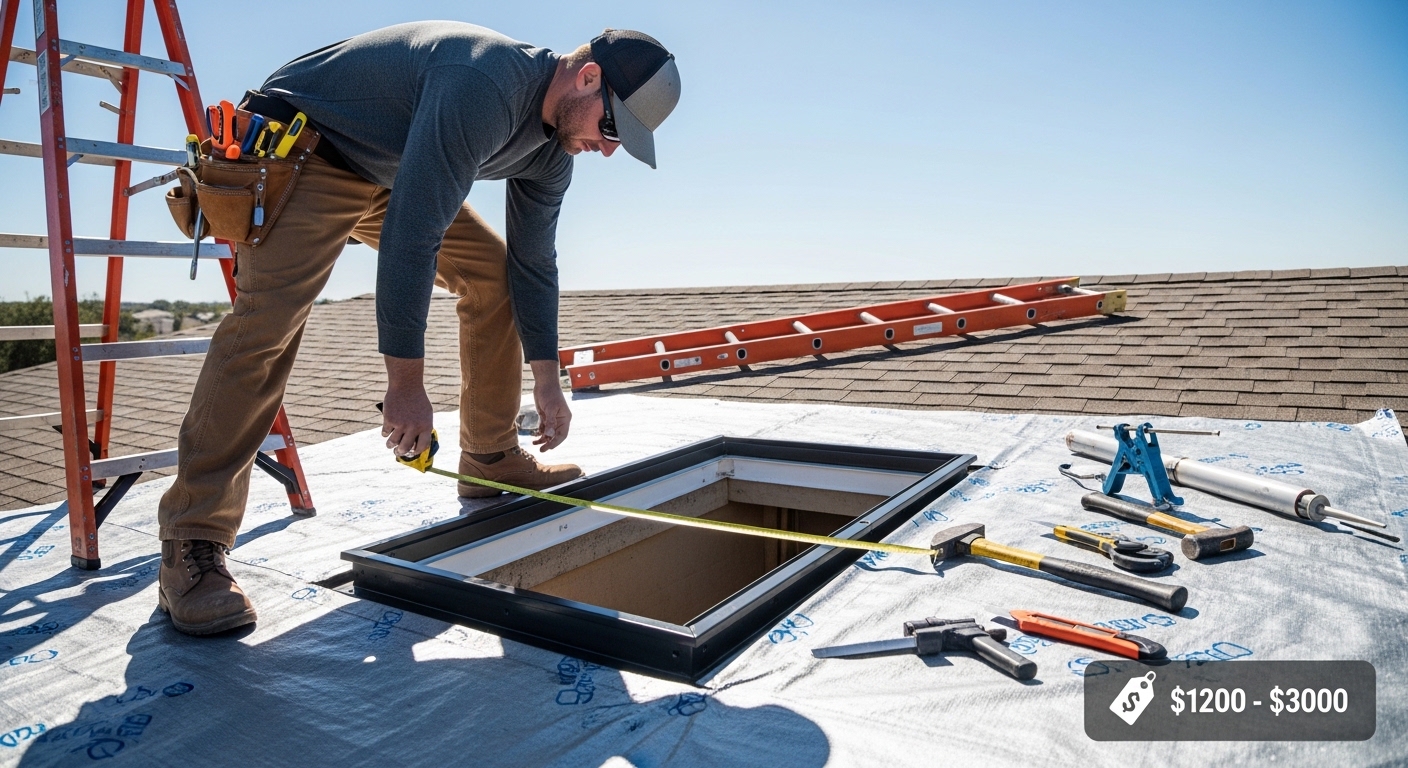
This is where the skylight repair and installation pros earn their keep. Cutting the roof, reinforcing the rafters, and installing the flashing (the metal bits that keep water out) is precise work.
- Labor Range: $500 – $1,500 per unit.
- The Texas Factor: If your roof is very steep, contractors will charge more for safety equipment and slower man-hours.
Step 3: Building the Light Shaft (Interior Labor)
If you have an attic, the light has to get from the roof to your ceiling. This requires framing, drywall, taping, and painting.
- Short Shaft (under 2 feet): $500 – $800
- Long/Flared Shaft (4+ feet): $1,500 – $3,000Warning: This is the “hidden cost” most people miss. If you have a massive attic, the interior work can actually cost more than the skylight itself!
Step 4: Finishing Touches (Trim and Paint)
Don’t forget the final 5%. Matching your existing ceiling texture and paint so the skylight looks like it’s always been there.
- Estimated Cost: $200 – $500.
Troubleshooting: Why Is My Quote Higher Than the Neighbor’s?
If you just got a quote that seems “off,” look for these three culprits:
- Structural Obstructions: If a major support beam or a HVAC duct is right where you want the light, moving them adds thousands to the bill.
- The “New Roof” Timing: Honestly, the best time to do this is during a new roof installation. If you’re retrofitting into an old roof, the labor to “marry” the new flashing to old shingles is much higher.
- Permitting: Depending on where you live (like Houston city limits), permit fees and inspections can add $200-$500.
Expert Tips for the Texas Budget
Look, I’ve seen homeowners try to save a few bucks in the wrong places. Here is the “straight-talk” advice I’d give my own family:
- Don’t skip the Solar Blind: It might add $400 to the cost, but in Texas, being able to block the sun at 3:00 PM in August will save you that much in AC costs over three summers. Plus, there’s often a federal tax credit for solar-powered components!
- The “Deck-Mounted” Advantage: For most Texas home remodeling projects, deck-mounted skylights are preferred over curb-mounted ones. They sit lower and are less likely to be damaged by high winds.
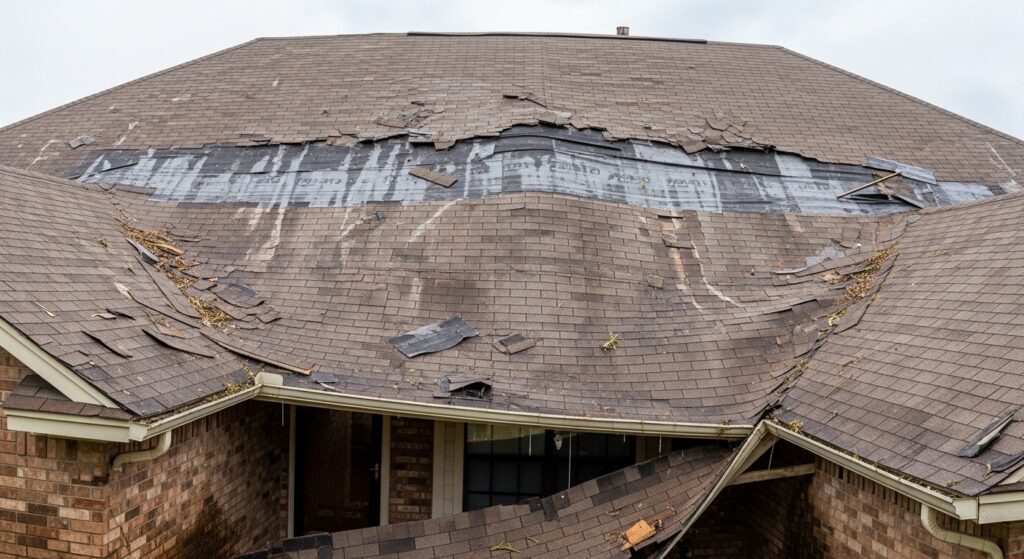
- Check for Storm Damage first: If your roof is leaking near where you want a skylight, you might be able to roll the installation into an insurance claim for reliable roof repairs.
Summary: What’s the Final Number?
So, let’s wrap this up. What are you actually going to write the check for?
| Installation Type | Estimated Total Cost (2026) |
| Simple Replacement (Old for New) | $1,200 – $2,500 |
| New Install (No Attic/Vaulted Ceiling) | $2,500 – $4,000 |
| New Install (With Deep Attic Shaft) | $4,500 – $7,500+ |
Expected Outcome: You’ll gain massive amounts of natural light, increase your home’s resale value, and (if you pick the right glass) might actually see a slight decrease in your lighting electric bill.
Next Steps: Getting it Done Right
At the end of the day, a skylight is a hole in your roof. You want that hole to be handled by someone who understands that in Texas, “waterproof” is a relative term until the next hurricane rolls through.
If you’re tired of living in a cave and you’re ready to see exactly what it would cost to bring the sun into your kitchen or bathroom, we’re here to help. Whether you’re in Pasadena, Pearland, or anywhere in the area, we know the local codes and the local weather.
Don’t settle for a “ballpark” guess from a guy with a ladder and a tube of caulk. Request a quote today for a professional, line-itemed assessment. We’ll give you the honest truth about your roof’s structure and help you find the best way to brighten your home without breaking your budget.
Stay bright, and stay dry out there!